

Stealth Mindfulness: How to Practice Secular Mindfulness for High-Achievers
Many high-achievers find that the most effective way to practice secular mindfulness isn't through lengthy sessions, but by integrating short, intentional awareness exercises into daily tasks. Research shows significant benefits from even brief, consistent attention to present-moment experiences, directly addressing stress and anxiety.
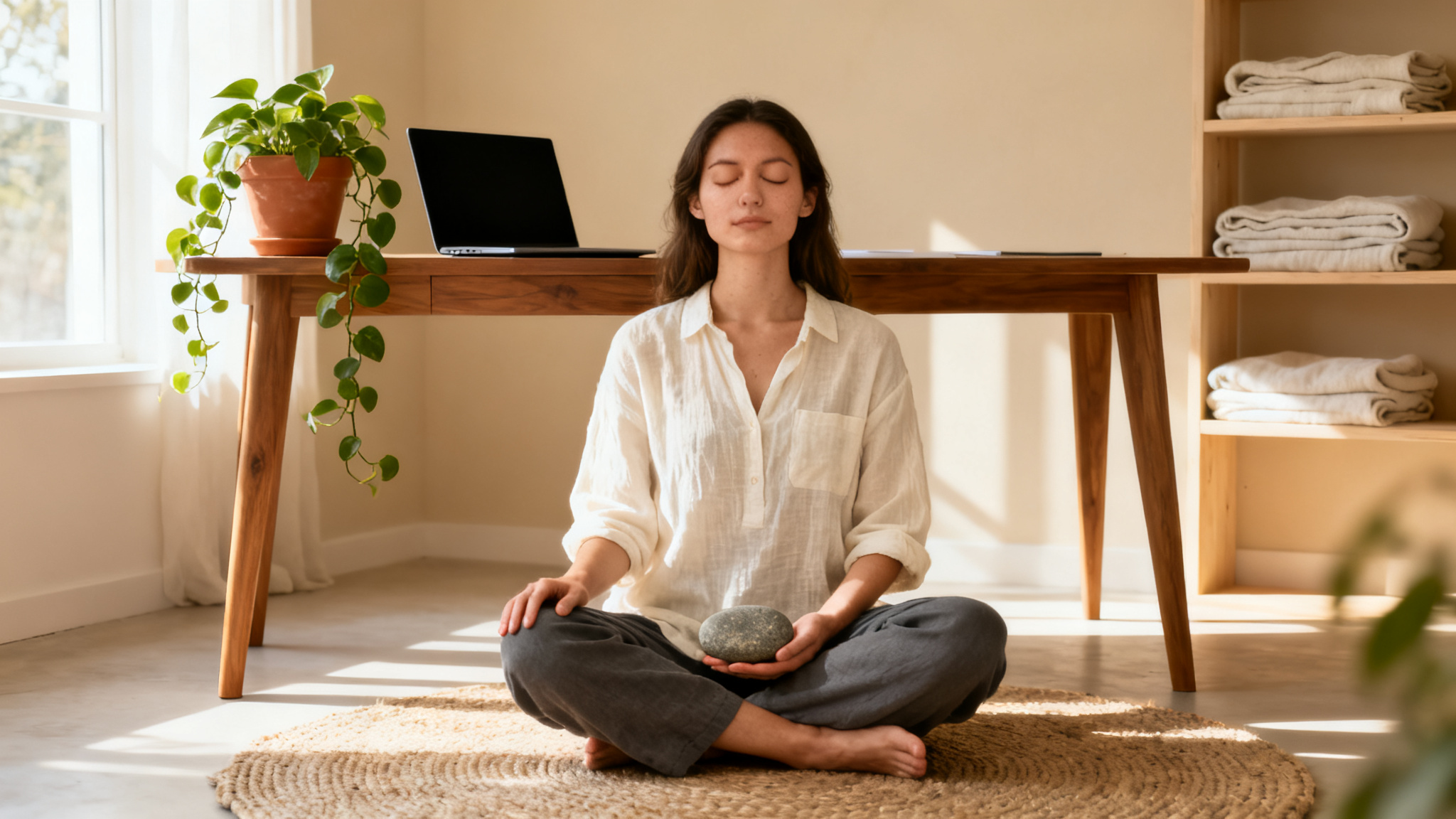
Finding Calm: How to Practice Secular Mindfulness in Your Hectic Day
Find Calm: How to Practice Secular Mindfulness in Your Hectic Day
Many high-achievers find that the most effective way to practice secular mindfulness isn't through lengthy, formal meditation sessions, but by integrating short, intentional awareness exercises into existing daily tasks. The irony is that while many apps push 10-minute seated meditations, research on programs like Mindfulness-Based Stress Reduction (MBSR) – developed by Jon Kabat-Zinn – shows significant benefits from even brief, consistent attention to present-moment experiences without spiritual overtones, directly addressing stress and anxiety in as little as 15-20 minutes of micro-practices spread throughout the day.
This approach bypasses the common frustration of "not having time" for traditional mindfulness. Instead of adding another item to your already packed schedule, you're transforming routine moments – like walking to a meeting, waiting for coffee, or reviewing a document – into opportunities for focused attention. This 'stealth' mindfulness is purely evidence-based, appealing to those who seek scientific validation over spiritual frameworks for managing burnout, a phenomenon recognized by the World Health Organization.
The goal is to cultivate a heightened awareness of your thoughts, feelings, and physical sensations as they arise, without judgment. This isn't about emptying your mind, but about observing its contents, even for 30 seconds at a time. By consistently weaving these small acts of presence into your day, you build mental resilience and clarity, making mindfulness a practical tool for your high-pressure lifestyle rather than another obligation.
What is Secular Mindfulness? (And How It Differs from Spiritual Practices)
Many high-achievers feel a subtle resistance to mindfulness, not because they doubt its benefits, but because it often arrives wrapped in spiritual language or images that don't resonate with their evidence-based mindset. Secular mindfulness strips away these elements, offering a direct, scientifically-rooted approach to present-moment awareness. It’s about observing thoughts, feelings, and sensations without judgment, much like a scientist observes a phenomenon in a lab, simply noting what is there.
This approach isn't new; it formalised with programs like Mindfulness-Based Stress Reduction (MBSR), developed by Jon Kabat-Zinn at the University of Massachusetts Medical Centre in 1979. MBSR was specifically designed for a clinical, secular context, helping patients manage chronic pain and stress through universal human experiences rather than religious dogma. A 2014 meta-analysis published in JAMA Internal Medicine by Goyal et al. confirmed that mindfulness meditation programs can moderately improve anxiety, depression, and pain, underscoring its evidence-based foundation for those wondering how to practice secular mindfulness without spiritual overtones.
Understanding this distinction is crucial for high-achievers seeking practical, effective mental wellness tools that align with their rational approach to problem-solving. It bridges the gap between the desire for calm and the skepticism towards anything perceived as unscientific, setting the stage for integrating these practices into even the busiest schedules.
The Science of Secular Mindfulness: Evidence for Stress, Anxiety, and Burnout

The Science of Secular Mindfulness: Evidence for Stress, Anxiety, and Burnout
Many high-achievers approach new wellness strategies with a healthy dose of skepticism, demanding evidence over anecdote. Fortunately, the benefits of secular mindfulness aren't just feel-good claims; they're backed by decades of rigorous scientific inquiry. Programs like Mindfulness-Based Stress Reduction (MBSR), developed by Jon Kabat-Zinn in 1979 at the University of Massachusetts Medical Centre, laid the groundwork for understanding how to practice secular mindfulness effectively without any spiritual components. MBSR has been extensively researched, consistently demonstrating its effectiveness in reducing stress and enhancing overall well-being for participants across various demographics.
The scientific community has increasingly validated these findings. A significant 2014 meta-analysis by Goyal et al., published in JAMA Internal Medicine, reviewed 47 trials with over 3,500 participants. It concluded that mindfulness meditation programs could moderately improve symptoms of anxiety, depression, and pain. This isn't about fleeting calm; research also indicates that consistent mindfulness practice can lead to measurable structural and functional changes in the brain. Studies, such as those by Hölzel et al. (2011), have shown increased gray matter density in brain regions crucial for learning, memory, and emotional regulation, particularly in the prefrontal cortex and hippocampus.
Beyond the Cushion: Practical 'Stealth' Mindfulness Exercises for Busy Professionals
Feeling perpetually pressed for time doesn't mean you can't cultivate calm. Many high-achievers find traditional, lengthy meditation sessions unrealistic. Instead, integrating 'stealth' secular mindfulness exercises throughout your day can significantly reduce stress and improve focus, without ever needing a cushion or dedicated quiet room. This is how to practice secular mindfulness in micro-bursts.
The Three-Breath Pause
Before responding to an email, entering a meeting, or picking up the phone, take three deliberate breaths. Notice the sensation of air entering and leaving your body. This micro-practice, often taking less than 10 seconds, resets your focus and prevents reactive responses, much like a brief circuit breaker for your attention.
Mindful Commuting
Whether you're walking to the train or driving to the office, turn your commute into an awareness practice. Instead of planning your day, observe the sounds of traffic, the colours of buildings, or the feel of the seat beneath you. A senior account manager in Vancouver used this to transition from home life to work mode, reporting less pre-work anxiety.
Mindful Eating/Drinking
During your next coffee break or meal, truly taste. Notice the aroma of your espresso, the texture of your sandwich, the temperature of your tea. Slow down the act of consumption. Research suggests even short periods of mindful eating can reduce overall caloric intake and improve satisfaction, as noted in a 2014 study published in JAMA Internal Medicine regarding general mindfulness benefits.
Integrating Mindfulness into Your Daily Routine (Without 'Finding Time')
Integrating Mindfulness into Your Daily Routine (Without 'Finding Time')
You don't need to carve out 30 minutes for a formal sit to experience the benefits of mindfulness. The real secret for high-achievers is to weave short bursts of awareness into your existing schedule, transforming mundane moments into opportunities for calm and focus.
Stealth Mindfulness Quick Reference
Link a micro-mindfulness practice to an established daily habit. For instance, notice the warmth of your mug and the aroma of your coffee each morning while it brews, rather than scrolling your phone. Habit stacking can support behavioural change.
Utilize the natural breaks in your day. While walking between meetings in downtown Calgary or waiting for a large file to download, take three deep breaths, noticing the sensation of your feet on the ground or the sounds around you.
Instead of a lengthy meditation, simply set an intention for presence. Before your first client call, mentally commit to listening fully or approaching a complex spreadsheet with focused attention, rather than multitasking.
Set non-intrusive phone reminders, perhaps a silent vibration every 90 minutes, to prompt a quick body scan or a check-in with your breath. Tools like MySerenity can offer customizable, discreet prompts without the typical "meditation app" feel.
Let go of the need for perfect, long sessions. Research consistently shows that short, consistent bursts of focused attention, even 60 seconds at a time, accumulate significant benefits over infrequent, longer attempts.
Common Misconceptions About Secular Mindfulness & High-Achiever Barriers
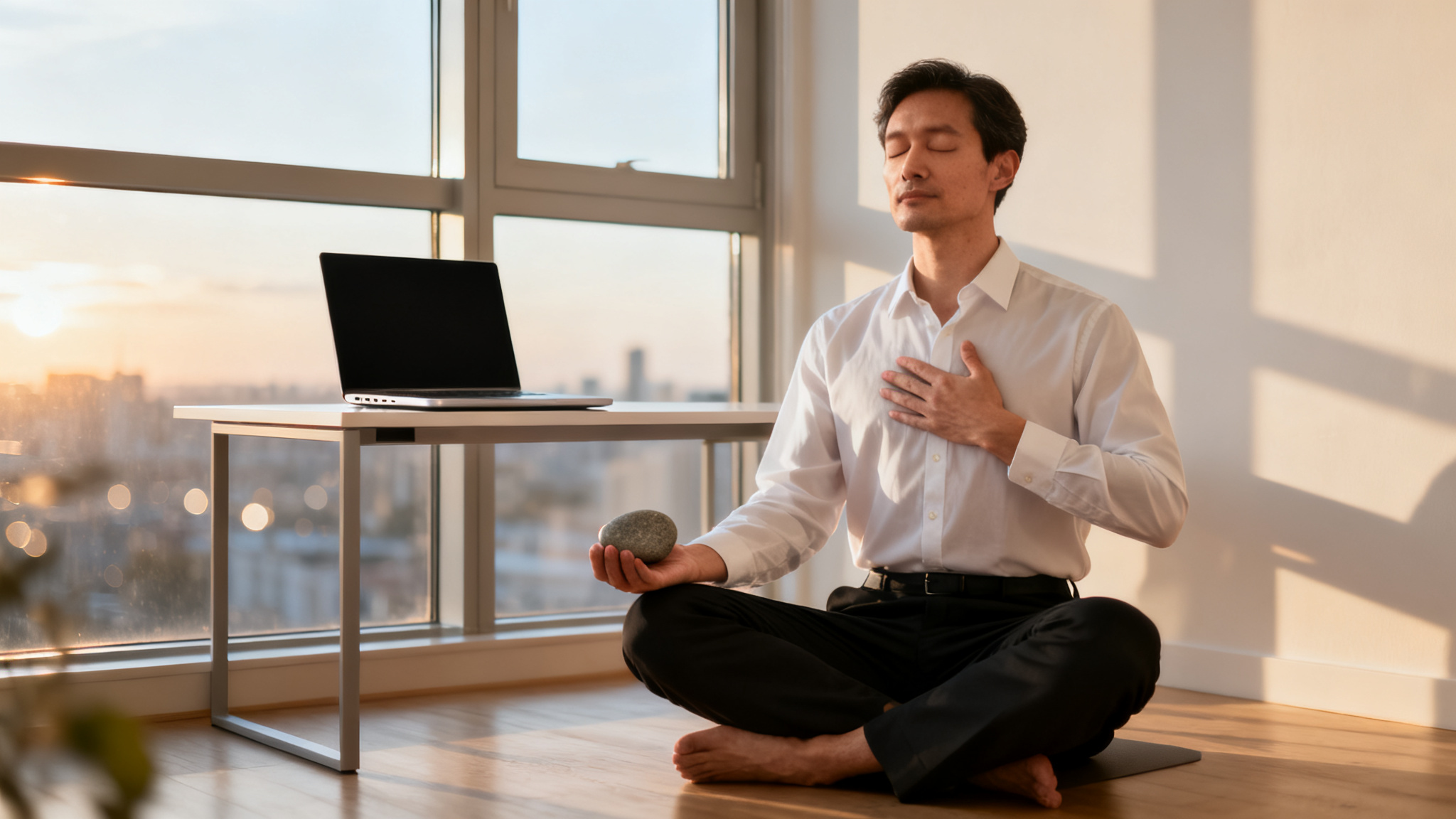 how to practice secular mindfulness." loading="lazy" />
Many high-achievers dismiss mindfulness, believing it’s either a time sink or a spiritual practice unsuited for their data-driven lives. This skepticism often stems from common misconceptions and the very traits that drive success – like a need for perfection and a relentless schedule – which paradoxically become barriers to finding calm.
Secular Mindfulness: Debunking Myths
- Not about "emptying your mind": The goal isn't to stop thinking, but to observe thoughts without judgment. Even a senior executive in Calgary can learn to notice a stressful thought without being consumed by it.
- Strong scientific backing: Far from "woo-woo," programs like Mindfulness-Based Stress Reduction (MBSR), developed by Jon Kabat-Zinn, have been rigorously researched since 1979, demonstrating clear benefits for stress reduction and well-being.
- Cumulative, not instant: It’s a skill, not a quick fix. Consistent, brief practices – like 60 seconds of mindful breathing before a client call – build resilience over time, much like physical training.
- Adaptable to any schedule: You don't need long sessions. Integrating micro-practices throughout the day, often called 'stealth mindfulness,' is precisely how to practice secular mindfulness when time is scarce.
High-Achiever Barriers & Solutions
- Perfectionism: The urge to "do it perfectly" stops many before they start. Instead, focus on consistency and self-compassion; a 30-second mindful pause is always better than no pause.
- Time Scarcity: Believing you lack time for formal meditation is valid for a Bay Street analyst. Our 'stealth' approach eliminates this by weaving mindfulness into existing routines, like walking to a meeting.
- Results-Oriented Mindset: Expecting immediate, dramatic shifts can lead to frustration.
Secular Mindfulness as Part of a Broader Mental Wellness Strategy
Relying solely on mindfulness, even secular mindfulness, for complete mental wellness is like building a house with just a hammer. While powerful for developing present-moment awareness and emotional regulation, as demonstrated by programs like Mindfulness-Based Stress Reduction (MBSR) since 1979, its true impact multiplies when integrated into a broader, evidence-based strategy. For high-achievers in Toronto's Bay Street firms or Vancouver's tech sector, this means viewing mindfulness as one crucial tool among many, not a standalone solution.
Consider the foundational pillars: adequate sleep, balanced nutrition, and regular physical activity. Similarly, professional support, such as cognitive-behavioural therapy (CBT) with a registered psychologist in Alberta or executive coaching, offers targeted strategies for specific challenges like burnout, which the World Health Organization recognizes as an occupational phenomenon. Social connection, too, plays a vital role; a 2022 Statistics Canada report noted that individuals with strong social ties reported significantly higher levels of life satisfaction.
Secular mindfulness enhances these efforts. Practising subtle 'stealth' mindfulness during your morning commute or between meetings can reduce reactivity, making you more present and effective in therapy sessions or social interactions. It’s about creating a synergistic ecosystem for your well-being, where each component reinforces the others, rather than expecting one practice to carry the entire load. This holistic view maximizes the scientific benefits of how to practice secular mindfulness.
Making Secular Mindfulness Stick: Sustaining Practice for Long-Term Well-being
Sustaining any new practice, especially one as subtle as secular mindfulness, requires intentionality and a gentle approach. For high-achievers, the initial enthusiasm can wane when results aren't immediate or when schedules become overwhelming. The key is to embed these practices into your life consistently, ensuring long-term benefits beyond the initial novelty.
Prioritize Consistency Over Intensity
Forget hour-long sessions. A 90-second mindful breathing exercise before a client call, or a 5-minute body scan during your commute on the GO Train, is far more impactful if done daily than an infrequent 30-minute formal meditation. Research on habit formation consistently shows that small, regular actions build lasting change.
Cultivate Self-Compassion
Skipping a day isn't a failure; it's a normal part of human behaviour. Instead of self-criticism, acknowledge the lapse and gently redirect. This non-judgmental attitude is central to how to practice secular mindfulness effectively and prevents the all-or-nothing mindset common among high-achievers.
Track Progress Informally
You won't see dramatic shifts overnight. Instead, notice subtle changes: perhaps less irritation during Toronto rush hour, improved focus during a complex project at your Calgary office, or a slightly calmer reaction to a challenging email. These small observations act as powerful motivators, reinforcing the value of your practice.
Frequently Asked Questions
What is secular mindfulness and how is it different from religious meditation?
Secular mindfulness is a practice of present-moment awareness, observing thoughts, feelings, and bodily sensations without judgment, detached from any religious or spiritual doctrine. Unlike religious meditation, which often seeks spiritual enlightenment or connection to a higher power, secular mindfulness focuses purely on enhancing mental clarity, emotional regulation, and stress reduction. For instance, a secular practitioner might observe their breath during a 10-minute session, while a religious meditator might engage in specific prayers or chants tied to their faith tradition.
How can I practice secular mindfulness if I have a hectic schedule?
Even with a hectic schedule, you can integrate secular mindfulness through brief, intentional moments. Try a one-minute breath awareness exercise while waiting for coffee, or practice mindful walking during your commute by noticing your steps and surroundings. Eating a snack mindfully, paying attention to its taste and texture, is another accessible option. Apps like MySerenity or Calm offer guided sessions as short as three minutes, making it feasible to fit into short breaks throughout your workday.
Is secular mindfulness scientifically proven to reduce stress or anxiety?
Yes, extensive scientific research supports secular mindfulness's effectiveness in reducing stress and anxiety. Studies, particularly those on Mindfulness-Based Stress Reduction (MBSR) programs, demonstrate its ability to lower cortisol levels and reduce amygdala activity, the brain's fear centre. For example, a 2018 meta-analysis published in *JAMA Internal Medicine* highlighted significant reductions in psychological distress across various populations. This evidence underscores its role as a valuable, non-pharmacological tool for mental well-being.
Why should busy professionals consider secular mindfulness?
Busy professionals benefit significantly from secular mindfulness by enhancing focus and reducing burnout. Regular practice improves cognitive function, leading to clearer decision-making during high-pressure situations, like a critical client presentation. It also cultivates emotional regulation, helping you respond thoughtfully rather than react impulsively to workplace stressors. This increased resilience can protect against the mental fatigue common in demanding roles, ultimately boosting productivity and overall job satisfaction.
Can secular mindfulness be integrated into my daily routine without taking extra time?
Absolutely. Integrating secular mindfulness doesn't require dedicated extra time; it involves bringing conscious awareness to existing activities. For instance, you can practice mindful dishwashing by focusing on the water's temperature and the soap's scent, or mindful walking by noticing the sensation of your feet on the ground. During your morning coffee, simply savour each sip. These "micro-mindfulness" moments transform routine tasks into opportunities for present-moment awareness, enhancing calm without altering your schedule.
Frequently Asked Questions
What is secular mindfulness and how is it different from religious meditation?
How can I practice secular mindfulness if I have a hectic schedule?
Is secular mindfulness scientifically proven to reduce stress or anxiety?
Why should busy professionals consider secular mindfulness?
Can secular mindfulness be integrated into my daily routine without taking extra time?
Keep reading
All articles →
Stress or Burnout? A Self-Check for Driven Professionals
Exhaustion is not automatically burnout, and that distinction matters. This self-check walks you through the markers that separate ordinary work stress from a pattern you can no longer manage on your own.

How to Recognize Decision Fatigue Before It Derails Your Day
Your small choices may cost more energy than your big ones, and the research behind decision fatigue is messier than most articles admit. This guide shows how to spot the warning signs early and lighten your daily load with practical habits.

Burnout or Rustout? High-Achievers' Self-Diagnosis Guide
High-achievers often misinterpret professional unease as simple exhaustion, overlooking the critical distinction between burnout and rustout. This misdiagnosis leads to ineffective solutions, leaving them feeling even more stuck.