

Burnout or Rustout? High-Achievers' Self-Diagnosis Guide
High-achievers often misinterpret professional unease as simple exhaustion, overlooking the critical distinction between burnout and rustout. This misdiagnosis leads to ineffective solutions, leaving them feeling even more stuck.

The Core Distinction: Burnout vs. Rustout for High-Achievers
The Core Distinction: Burnout vs. Rustout for High-Achievers
Many high-achievers, from a senior software architect in Vancouver to a lead surgeon in Halifax, mistakenly interpret their profound professional unease as simple exhaustion, overlooking a critical distinction: is it burnout from being perpetually overwhelmed, or rustout from being profoundly under-challenged? This misdiagnosis, research suggests, often leads to applying generic solutions like a "digital detox" or a tropical vacation, which might temporarily mask the symptoms but fail to address the underlying cause, leaving high-performers feeling even more stuck and unfulfilled upon their return.
The World Health Organization (WHO) formally recognizes burnout as an occupational phenomenon characterized by exhaustion and reduced efficacy, a state many driven professionals unfortunately know well. However, an equally debilitating but less discussed condition, rustout, stems from chronic under-stimulation or a lack of meaningful challenge. High-achievers, whose identities are often tied to continuous growth and impact, are particularly vulnerable to both, yet their drive can blind them to the true nature of their discontent.
To accurately answer "Burnout or Rustout? How High-Achievers Can Accurately Diagnose Their Discontent and Find the Right Path to Serenity," we must first establish a clear framework. Without this precise self-diagnosis, efforts to restore well-being can be misdirected, exacerbating feelings of frustration and stagnation. This guide aims to provide that clarity, moving you beyond confusion toward effective strategies tailored to your unique professional drive.
Burnout vs. Rustout: An At-a-Glance Comparison for High-Achievers
You've achieved significant external success, yet a persistent feeling of unease lingers. Is it the crushing weight of too much work, or the quiet despair of not enough meaningful challenge? For high-achievers, distinguishing between burnout and rustout can be surprisingly difficult, as both manifest as discontent.
| Feature/Aspect | Burnout (Overwhelm) | Rustout (Under-Challenge) |
|---|---|---|
| Core Feeling | Chronic exhaustion, overwhelm, dread, feeling "fried." | Profound boredom, apathy, restlessness, feeling "stuck." |
| Energy Levels | Depleted, fatigued, difficulty initiating tasks. | Untapped potential, restless energy, desire for more. |
| Impact on Work | Reduced professional efficacy, increased errors, cynicism. | Lack of engagement, feeling under-challenged, seeking purpose. |
| Root Causes | Chronic stress, excessive demands, lack of control, overload. | Lack of intellectual stimulation, growth opportunities, meaning. |
| Common High-Achiever Thought | "I can't keep doing this. I'm too tired." | "Is this all there is? I feel capable of so much more." |
This side-by-side comparison offers an initial lens to help you determine, "Burnout or Rustout? How High-Achievers Can Accurately Diagnose Their Discontent and Find the Right Path to Serenity." Recognizing these distinctions is the first step toward effective resolution.
Understanding these fundamental differences helps you move beyond generic advice, guiding you toward a more precise self-assessment and ultimately, a tailored path to renewed purpose and well-being.
Are You Burnt Out? Common Signs and Symptoms of Overwhelm

Are You Burnt Out? Common Signs and Symptoms of Overwhelm
Many high-achievers mistakenly believe their exhaustion is a badge of honour, a necessary cost of success, rather than a critical warning sign. This mindset often prevents them from accurately diagnosing their discontent, especially when considering burnout vs rustout symptoms high achievers face.
Burnout, officially recognized by the World Health Organization (WHO) in 2019 as an occupational phenomenon, manifests as profound energy depletion, increased mental distance from one's job, and reduced professional efficacy. For someone in a demanding role, like a senior software engineer in Waterloo or a financial analyst in downtown Toronto, this isn't just feeling tired. It's a pervasive, heavy fatigue that sleep doesn't resolve, often coupled with cynicism about their work and a tangible drop in performance despite putting in more hours.
Research consistently indicates that high-achieving professionals, particularly in sectors like tech, finance, and healthcare, report higher rates of burnout than the general working population. This is often driven by intense external pressures combined with self-imposed, perfectionistic standards. You might find yourself snapping at colleagues, struggling to focus on tasks that once came easily, or feeling utterly overwhelmed by your workload.
The fear of losing their edge or professional standing is a significant barrier. Admitting to burnout can feel like admitting failure, making it difficult for individuals to seek help or even acknowledge the problem internally. Understanding these distinct signs is the first step towards answering the question: Burnout or Rustout? How High-Achievers Can Accurately Diagnose Their Discontent and Find the Right Path to Serenity.
Could It Be Rustout? Recognizing the Discontent of Under-Challenge
Could It Be Rustout? Recognizing the Discontent of Under-Challenge
You might be a high-achiever feeling unfulfilled despite success, even though your career trajectory looks impressive from the outside. The irony is that reaching a professional peak can sometimes leave you feeling strangely empty, a sensation often dismissed with guilt or shame. This isn't burnout, which stems from overwork; instead, it's frequently rustout: the quiet discontent of chronic under-stimulation and a lack of meaningful challenge.
Rustout manifests as a creeping apathy, irritability, and a sense of stagnation, symptoms that can easily be mistaken for depression. A senior manager at a Halifax financial firm, for instance, might find themselves dreading routine meetings, not because they're overworked, but because the tasks no longer engage their problem-solving skills. Industry reports, like Gallup's State of the Global Workplace, consistently highlight employee disengagement as a significant cost, running into billions annually in lost productivity worldwide – a clear indicator of widespread rustout.
The core issue for many successful professionals isn't too much to do, but too little that truly matters. A lack of purpose or meaning in work is a significant predictor of job dissatisfaction, even in high-paying roles within sectors like tech or healthcare. Recognizing these signs of rustout in successful professionals is the first step towards accurately diagnosing your discontent. To truly understand if you're experiencing Burnout or Rustout? How High-Achievers Can Accurately Diagnose Their Discontent and Find the Right Path to Serenity, consider if your daily tasks spark genuine interest or merely fill the hours.
This feeling of being under-challenged demands a different approach than recovering from burnout. It requires identifying areas where your unique drive can be reignited, either through new projects, skill development, or a shift in focus within your existing role.
The High-Achiever's Diagnostic Framework: A Step-by-Step Self-Assessment
It's surprisingly easy for high-achievers to mistake the signs of burnout for simple fatigue, or to dismiss profound boredom as just a need for a longer vacation. You might be asking, "How to tell if I'm burnt out or just bored at work?" This confusion often leads to applying generic solutions that miss the root cause, leaving you more frustrated. The key to finding serenity lies in a precise self-diagnosis, moving beyond surface-level symptoms to understand if your discontent stems from chronic overwhelm or chronic under-stimulation.
To accurately diagnose professional discontent, particularly for high-achievers, begin by asking core questions about your daily experience. Do you feel a pervasive sense of exhaustion even after rest, a hallmark of burnout recognized by the WHO as an occupational phenomenon? Or do you experience a nagging emptiness, a lack of challenge, and a sense of stagnation, which points more towards rustout? Consider your emotional state: are you irritable and overwhelmed by tasks, or apathetic and disengaged despite a full plate? High-achievers, often driven by a fear of appearing weak, might push through these feelings, but honest reflection is crucial to differentiate between these distinct states and truly understand Burnout or Rustout? How High-Achievers Can Accurately Diagnose Their Discontent and Find the Right Path to Serenity.
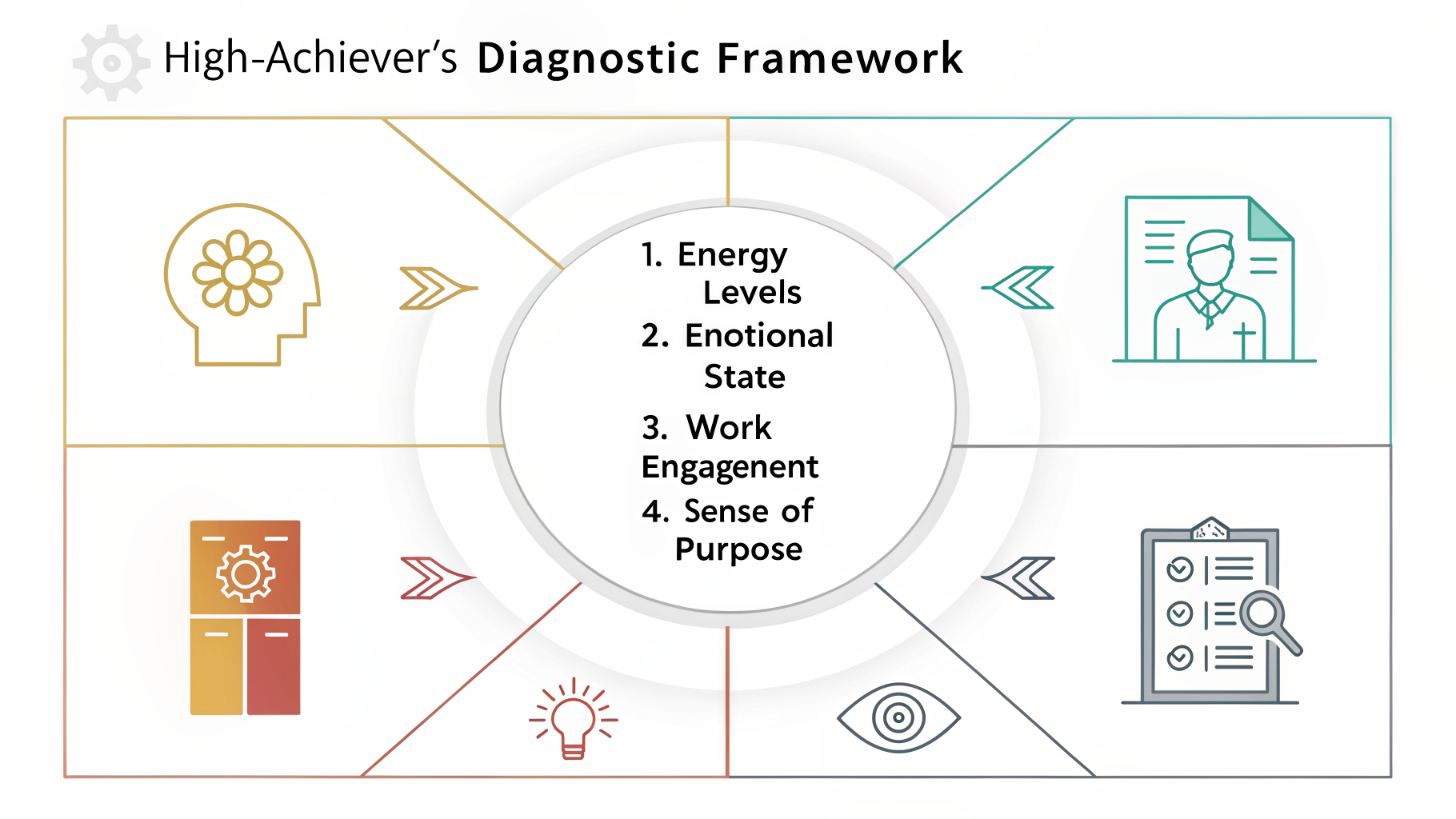
This framework provides a starting point for the deep self-reflection many high-achievers avoid. By systematically evaluating your energy, emotions, and engagement, you can move past vague feelings of unease towards a clear understanding of your specific challenges. This clarity is the first step in tailoring strategies that genuinely address your unique situation, rather than simply masking symptoms.
Finding Your Path Forward: Tailored Strategies for High-Achievers

Once you’ve used the diagnostic framework to determine if you’re experiencing burnout, rustout, or a mix, the real work begins: implementing tailored strategies. High-achievers often resist slowing down or admitting boredom, making generic advice unhelpful. Your path to serenity requires specific, actionable steps that respect your drive.
Overcoming Burnout: Reclaiming Your Energy
For high-achievers grappling with burnout, simply "taking a break" rarely suffices. You need strategic recovery. Instead of pushing through, prioritize designated rest periods. For example, a senior software architect in Vancouver might schedule "deep work" blocks followed by non-negotiable, tech-free recovery time, like a 20-minute walk or reading session. Implement clear boundaries; this means learning to decline projects that don't align with your core goals, even if they seem prestigious. Studies indicate high-achievers often report higher rates of burnout, partly due to overcommitment. Delegating effectively—trusting a junior team member with a client report instead of doing it yourself—mitigates the fear of losing control or appearing less capable.
Reigniting Your Spark: Solutions for Rustout and Finding New Purpose
If rustout is your primary challenge, the goal isn't rest, but reinvigoration. Seek new challenges within your existing role. A marketing director at a mid-sized Toronto firm, feeling under-challenged by routine campaigns, might volunteer to lead a pilot project exploring AI-driven analytics. Pursue passion projects outside of work; perhaps learning a new language or joining a community board. Redefine your purpose beyond external metrics; connecting your work to broader societal values can combat unfulfillment, even in high-paying roles. Consider mentorship or teaching roles. A seasoned surgeon, experiencing rustout in daily operations, might find renewed engagement by mentoring residents at the University of Alberta hospital, leveraging expertise in novel ways.
Understanding whether you face burnout or rustout is the first step toward finding your path forward. Implementing these targeted strategies is crucial to help high-achievers accurately diagnose their discontent and find the right path to serenity, moving beyond the cycle of exhaustion or unfulfillment.
Preventing Future Discontent: Sustaining Serenity and Growth
Preventing Future Discontent: Sustaining Serenity and Growth
You've likely spent years perfecting your craft, but neglecting your inner state can undermine even the most impressive professional standing. Many high-achievers find themselves caught in a cycle of discontent because they misinterpret their own signals, leading to strategies that don't quite fit. A 2019 WHO recognition of burnout as an occupational phenomenon highlights the severity, but for high-achievers, the threat of "rustout" — chronic under-stimulation — is equally potent and often misdiagnosed.
To truly answer, "Burnout or Rustout? How High-Achievers Can Accurately Diagnose Their Discontent and Find the Right Path to Serenity," you need proactive measures. Establish a regular self-assessment routine, perhaps monthly, to monitor energy levels, engagement with tasks, and the presence of intellectual challenge. This isn't about productivity checks; it's about checking in with your internal barometer. For instance, a senior software engineer in Vancouver might block 30 minutes every Friday to reflect on their week's projects: "Was I genuinely excited by this problem, or just going through the motions?"
Cultivating a growth mindset is crucial. Instead of resting on past accomplishments, embrace continuous learning and adaptation. If you're a marketing director in a mid-sized Toronto firm, this might mean actively seeking out new AI marketing tools like Jasper or engaging in cross-departmental projects that stretch your current skill set. Industry reports indicate that employee disengagement, a key sign of rustout, costs the global economy billions annually. This isn't just about company bottom lines; it directly impacts your personal sense of purpose. Ignoring rustout can mimic symptoms of depression, including apathy and irritability, while unchecked burnout can lead to severe exhaustion.
Finally, challenge the isolation often experienced by high-achievers. Build a robust support system, whether through a professional mastermind group or close colleagues. Balancing ambition with self-care isn't a luxury; it's a prerequisite for sustained high performance and long-term serenity. Misdiagnosis can exacerbate discontent, leading to more severe mental health issues if unaddressed, making these proactive steps essential for your holistic well-being.
When to Seek Professional Guidance: Knowing When to Get Help
When to Seek Professional Guidance
It's easy to assume you can tackle any problem alone, especially when you're accustomed to high achievement, but some challenges require a different approach. If you've tried self-help strategies for weeks or months, and symptoms of exhaustion, apathy, or persistent restlessness continue to weigh on you, professional intervention becomes not just helpful, but crucial. This is particularly true if your feelings intensify, disrupting your sleep, relationships, or overall daily function. For instance, a person who has tried meditation and new hobbies for six weeks to combat a persistent lack of motivation may find that therapy offers specific tools to reframe their professional identity beyond constant output. Seeking professional support isn't a sign of weakness; it's a strategic move, reflecting self-awareness and a commitment to your long-term well-being. A therapist, coach, or medical professional can provide an objective assessment, helping you accurately diagnose your discontent, whether it's burnout, rustout, or a blend of both. They offer tailored strategies that go beyond generic advice, addressing the unique psychological barriers high-achievers often face, such as the fear of losing their competitive edge or professional standing. Remember, chronic under-stimulation, a core component of rustout, can mimic symptoms of depression, making professional evaluation vital for overall mental health, as indicated by various mental health studies. Ultimately, understanding Burnout or Rustout? How High-Achievers Can Accurately Diagnose Their Discontent and Find the Right Path to Serenity sometimes means accepting that the "right path" involves expert guidance. This foundation of self-awareness and, when necessary, professional insight helps you move from diagnosis to sustained serenity and growth, and helps you feel better prepared for future discontent.Frequently Asked Questions
What's the core difference between burnout and rustout for high achievers?
Burnout for high achievers is profound physical and emotional exhaustion, often from chronic overwork, relentless pressure, and a perceived lack of control over demanding projects. You feel depleted, even cynical, despite your efforts. Rustout, conversely, is a deep sense of stagnation and boredom. It arises when your talents are underutilized, challenges are scarce, or your work lacks meaning, leading to apathy and a feeling of being unfulfilled despite having energy.
How do high-achievers self-assess to diagnose burnout versus rustout?
High achievers can self-assess by examining the <em>source</em> of their discontent. For burnout, ask: "Am I constantly exhausted, even after weekends, and feeling overwhelmed by my project load at a tech firm?" For rustout, consider: "Do I feel unchallenged, bored, or that my skills as a senior architect are underutilized, leading to apathy rather than exhaustion?" Reflect on whether your energy is depleted from overexertion or from a lack of stimulating engagement.
Is constant overwhelm a definite sign of burnout for high performers?
While constant overwhelm often signals burnout, especially when coupled with persistent exhaustion and cynicism, it's not always definitive for high performers. For a project manager in a rapidly scaling start-up, periods of intense, overwhelming work might be stimulating and growth-oriented. If the overwhelm is accompanied by a sense of purpose and learning, it might be a challenging phase rather than true burnout, which typically involves emotional depletion and detachment.
Can tailored strategies help high achievers find serenity from career discontent?
Yes, tailored strategies are essential for high achievers to find serenity. For burnout, this might involve setting firmer boundaries, delegating more effectively, or practicing mindfulness, perhaps through an app like MySerenity. For rustout, the path often includes seeking new challenges, skill development, mentoring junior colleagues, or even exploring a career pivot that offers greater intellectual stimulation and impact, aligning with their inherent drive.
What are the common signs that a high achiever is experiencing rustout instead of burnout?
Signs of rustout for a high achiever often include persistent boredom, a feeling of being unchallenged, and a noticeable lack of enthusiasm for tasks that once felt engaging. You might find yourself easily distracted, procrastinating on important projects, or feeling your skills as a senior software engineer are underutilized. Unlike burnout, which brings exhaustion, rustout often presents as apathy and a yearning for more meaningful engagement, despite having ample energy.
Frequently Asked Questions
What's the core difference between burnout and rustout for high achievers?
How do high-achievers self-assess to diagnose burnout versus rustout?
Is constant overwhelm a definite sign of burnout for high performers?
Can tailored strategies help high achievers find serenity from career discontent?
What are the common signs that a high achiever is experiencing rustout instead of burnout?
Keep reading
All articles →
Stress or Burnout? A Self-Check for Driven Professionals
Exhaustion is not automatically burnout, and that distinction matters. This self-check walks you through the markers that separate ordinary work stress from a pattern you can no longer manage on your own.

How to Recognize Decision Fatigue Before It Derails Your Day
Your small choices may cost more energy than your big ones, and the research behind decision fatigue is messier than most articles admit. This guide shows how to spot the warning signs early and lighten your daily load with practical habits.

Burnout or Something More? Signs It's Time to Get Help
Burnout is not the same as being tired, and it can overlap with depression or anxiety. This guide walks through the warning signs, a simple severity check, and how to prepare for a visit with your doctor.