

Proactive Blueprint: Preventing Burnout in Young Professionals
Preventing burnout in young professionals goes beyond stress management, requiring recognition of a distinct occupational phenomenon. Many mistake it for temporary stress, delaying intervention; this blueprint shifts focus to strategic resilience.

Understanding Burnout: More Than Just Stress (Specific to Young Professionals)
Preventing burnout in young professionals isn't just about managing stress; it requires recognizing a distinct occupational phenomenon that 46% of Gen Z and 45% of millennials report experiencing, according to Deloitte's 2022 survey. The non-obvious truth is that many young people mistake burnout for temporary stress or a personal failing, delaying intervention until symptoms are severe and recovery is much harder. This proactive blueprint shifts focus from reactive coping to strategic resilience, starting with a clear understanding of what burnout actually is.
Burnout, officially recognized by the World Health Organization (WHO) in 2019, goes far beyond simply feeling tired or having a bad day. It's characterized by three dimensions: feelings of energy depletion or exhaustion, increased mental distance from one's job or feelings of cynicism, and reduced professional efficacy. For a junior accountant in Vancouver or a new software engineer in Toronto, this often manifests as chronic fatigue even after rest, a growing detachment from tasks they once enjoyed, and a nagging sense that their efforts don't matter, despite their best intentions. This differs significantly from the occasional tight deadline or a challenging project that causes temporary stress.
The economic impact of this widespread issue is staggering. Harvard Business Review reported in 2017 that burnout costs the U.S. economy an estimated $125 billion to $190 billion annually through healthcare spending and lost productivity. Yet, many young professionals, perhaps driven by the immense pressure to perform or the 'hustle culture' prevalent in many industries, struggle to identify these early signs. They might dismiss persistent exhaustion as a normal part of their early career grind or interpret cynicism as a personal flaw, rather than a symptom of a systemic problem. This misdiagnosis often leads to delayed intervention, allowing burnout to take deeper root and making the path back to well-being far more arduous.
Understanding burnout as a distinct, multi-faceted condition, rather than just extreme stress, is the foundational step in building a proactive prevention strategy. It sets the stage for recognizing early warning signs and implementing the targeted, evidence-based interventions necessary to foster long-term career health and personal well-being.
The Unique Pressures Fueling Burnout in Early Careers
You might feel an intense, almost constant pressure to perform, a feeling that goes beyond typical job stress. This isn't just about demanding roles; it's about systemic and cultural currents that uniquely impact young professionals, often leading to guilt when you even consider stepping away. The pervasive 'hustle culture,' for instance, champions being 'always on' and productive, creating immense pressure to constantly demonstrate commitment. This mindset, prevalent in industries from tech startups in Vancouver to marketing agencies in Montreal, makes resting feel like falling behind, a direct path to burnout.
Financial burdens compound this pressure. Many young Canadians carry significant student loan debt, and the competitive job market often means entry-level positions don't always offer immediate financial security. This economic reality can make you hesitant to advocate for your well-being or take career risks, like turning down extra projects, for fear of jeopardizing your standing. Social media comparison further fuels anxiety, painting unrealistic pictures of success and contributing to feelings of inadequacy or career stagnation. Seeing a peer's promotion or new venture online can intensify the internal demand to achieve more, faster.
"The 'always-on' expectation isn't just an internal drive; it's often an unspoken company culture that silently pushes young talent to their breaking point." — HR Director, Calgary
These aren't isolated experiences; they reflect widespread trends. Deloitte's 2022 Gen Z and Millennial Survey revealed that nearly half (46%) of Gen Zs and 45% of millennials feel burned out. Furthermore, a 2023 Cigna study reported that 84% of Gen Z and 80% of millennials experience significant stress. These statistics underscore how crucial it is to move beyond reactive coping and implement proactive strategies for preventing burnout in young professionals.
Understanding these unique pressures is the first step toward building a strategic resilience framework, allowing you to recognize early warning signs and implement evidence-based boundary-setting techniques before these pressures overwhelm you.
Early Warning Signs: How to Spot Burnout Before It Takes Hold
Spotting the Smoke Before the Fire: Early Warning Signs
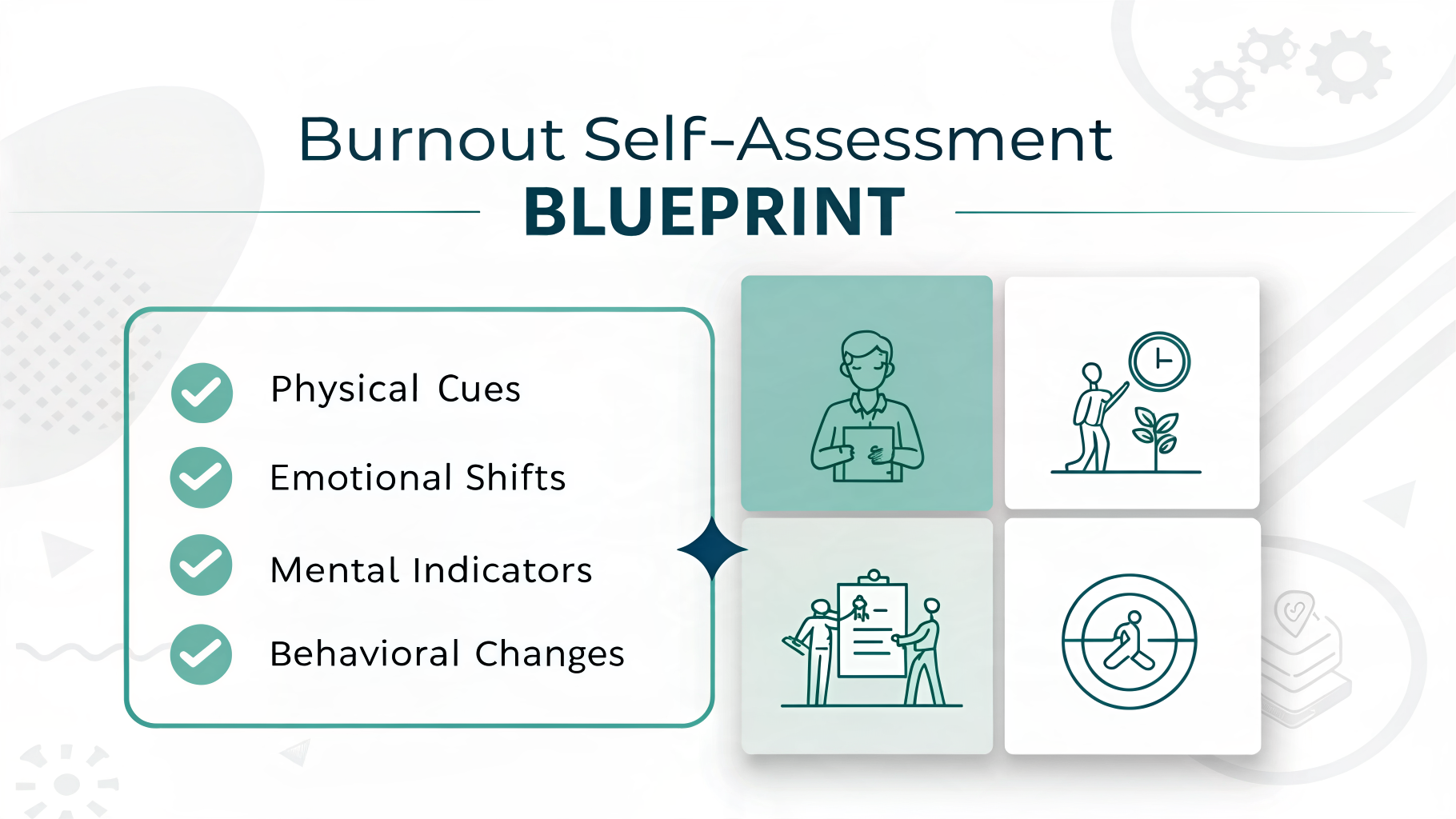
You might mistakenly believe the constant exhaustion and irritability are just part of "paying your dues" in a demanding role, but this often masks the insidious creep of burnout. Many young professionals, especially those in fast-paced fields like tech in Vancouver or finance in Toronto, struggle to differentiate between transient stress and the persistent, pervasive symptoms of burnout. Research indicates a strong correlation between perfectionism and high-achiever traits with increased susceptibility to burnout among this demographic. It's not about being "weak"; it's about recognizing when ambition crosses into unsustainable territory. Burnout, officially recognized by the WHO in 2019, manifests across physical, emotional, and mental domains. Physically, you might notice persistent headaches, digestive issues, or disrupted sleep patterns – not just an occasional bad night, but chronic restlessness. Emotionally, a senior marketing associate in Montreal might find themselves increasingly cynical about their work, detaching from colleagues, or experiencing heightened irritability. Mentally, the sharp focus you once had might dull, leading to difficulty concentrating on tasks, a lack of creativity, or a pervasive sense of apathy towards projects you once loved."The biggest mistake I see young talent make is waiting until they're completely broken before asking for help. Catching it early changes everything." — HR Director, CalgaryBehavioral shifts also serve as critical indicators when preventing burnout in young professionals. Are you procrastinating more, even on tasks you usually enjoy? Have you started withdrawing from social events or team lunches? A decline in job satisfaction, where work feels like a monotonous chore rather than a challenging pursuit, is a significant red flag. These aren't just minor dips; they represent a fundamental shift in your relationship with your career.
Strategic Boundary Setting: A Proactive Step in Preventing Burnout

You might feel an intense pull to say "yes" to every request, fearing that setting boundaries could brand you as uncommitted or uncooperative. Yet, learning to strategically establish and enforce healthy limits is one of the most powerful actions in preventing burnout in young professionals. It's not about being difficult; it's about protecting your capacity to perform sustainably.
Craft Communication Scripts
Develop pre-prepared phrases for declining new tasks or unreasonable deadlines without guilt. Instead of a flat "no," try: "I can take that on, but it would mean deprioritizing Project X, which is due Thursday. How would you like me to proceed?" This frames your response as a resource allocation decision, not a refusal. A junior analyst in Vancouver, for instance, might use this when asked to take on a new report just before a major client presentation.
Implement Digital Detox Protocols
Protect your personal time by defining clear "off-limits" periods for work communication. Turn off email and messaging notifications on your phone after 6 PM, or designate specific weekends as "work-free zones." Research consistently shows that constant connectivity blurs lines, making true rest impossible. A 2023 Cigna study found that 84% of Gen Z and 80% of millennials experience stress, often linked to this always-on culture.
Negotiate Workload and Flexibility
Superficial "work-life balance" advice often skips the critical skill of negotiation. If your workload feels unsustainable, prepare data: list current projects, estimated hours, and a proposed solution. Advocate for manageable tasks or flexible arrangements, like a hybrid work schedule if appropriate. This shows initiative and problem-solving, rather than just complaining.
Prioritize Physical and Mental Recovery
Recognize that your energy is a finite resource. Schedule non-negotiable breaks, exercise, and sufficient sleep into your week. This directly combats the guilt many young professionals feel when not working, a pressure highlighted by Deloitte's 2022 survey where nearly half of Gen Z and millennials felt burned out. Taking a mid-day walk, even just
You might feel an intense pressure to be perfect, to never make a mistake, especially early in your career. This drive, while seemingly beneficial, can be a direct pipeline to exhaustion. Research consistently indicates a strong correlation between perfectionism and increased susceptibility to burnout among young professionals, with nearly half of Gen Z and millennials reporting burnout symptoms in a 2022 Deloitte survey. Instead of striving for flawless execution, aim for realistic excellence. This means understanding that good enough is often truly good enough, and that mistakes are learning opportunities, not career-ending failures. Practising self-compassion – treating yourself with the same kindness you'd offer a friend – actively counters the guilt that often accompanies taking breaks or resting. Beyond generic meditation apps, specific techniques can reframe stress. Cognitive restructuring, for instance, helps you identify and challenge negative thought patterns. When a project feels overwhelming, you might automatically think, "I can't do this, I'm going to fail." Cognitive restructuring prompts you to ask, "What's the evidence for that thought? What's an alternative perspective?" Tools like MySerenity offer guided exercises in cognitive behavioural therapy (CBT) techniques that teach you to actively dispute these unhelpful thoughts, rather than just observing them. Your physical well-being forms the bedrock of mental resilience. Adequate sleep – typically 7-9 hours for adults – directly impacts your mood, energy, and ability to manage stress. A nutritious diet, rich in whole foods, stabilizes blood sugar and provides the sustained energy your brain needs. Even 20-30 minutes of moderate exercise, like a brisk walk during your lunch break in downtown Calgary, can significantly reduce cortisol levels, the primary stress hormone. These aren't optional add-ons; they are foundational for preventing burnout in young professionals. Finally, build a robust support network. Connect with peers who understand the unique pressures of your industry, find mentors who can offer perspective on career progression, and lean on friends and family. Sharing experiences – even just admitting you're struggling with a tight deadline – combats feelings of isolation and the fear of career stagnation. Having a trusted circle helps you realize that challenges are universal, not personal failings, fostering collective resilience. You might feel a knot in your stomach at the thought of discussing mental health with your boss, fearing it signals weakness or lack of commitment. Yet, advocating for your well-being isn't a career liability; it's a strategic move that demonstrates self-awareness and contributes to long-term productivity and job satisfaction, crucial for preventing burnout in young professionals. Preparing for these conversations means understanding your rights, leveraging confidential resources like EAPs, and framing your needs in a way that highlights your commitment while seeking sustainable adjustments. This approach not only protects your mental health but also positions you as a thoughtful, proactive employee invested in your long-term career success. Feeling overwhelmed by generic advice to "just meditate" or "take a bubble bath" can be incredibly frustrating when you're facing deep-seated professional pressures. Realistically, preventing burnout in young professionals requires a more robust, evidence-based toolkit than simple self-care tips. This means moving beyond superficial fixes to implement strategies that foster sustainable well-being. One powerful approach involves Cognitive Behavioural Therapy (CBT) techniques. You can learn to identify and challenge the unhelpful thought patterns that often fuel stress and burnout. For example, if you constantly think, "I must work 12-hour days or I'll fall behind," CBT helps you question that assumption and replace it with a more balanced perspective, like "Consistent, focused work within reasonable hours is more sustainable and effective." Tools like MySerenity offer guided CBT exercises that make these techniques accessible. Structured time management also offers concrete relief. Techniques like the Eisenhower Matrix help you prioritize tasks by urgency and importance, while the Pomodoro Technique (focused 25-minute work sprints with short breaks) can reduce overwhelm and improve focus. These aren't just productivity hacks; they're frameworks for regaining control over your workload, a critical factor in mitigating burnout, which affects nearly half of Gen Z and millennials, according to a 2022 Deloitte survey. Beyond individual techniques, genuine social connection acts as a vital buffer against burnout. Actively building relationships outside of work—whether through community groups, sports leagues, or regular meet-ups with friends—combats the isolation that can exacerbate stress. Prioritizing sleep hygiene and consistent nutrition are also fundamental pillars. These aren't optional extras; they're non-negotiable physiological needs that directly impact your mental resilience and ability to cope with professional demands. Here’s a snapshot of how proactive strategies compare to reactive self-care: Feeling overwhelmed by the constant pressure of early career demands is common, and you’re not alone in seeking practical answers. Many young professionals wonder how to spot burnout early and build resilience without sacrificing their career ambitions. Beyond typical stress, look for persistent exhaustion, cynicism towards your job, reduced efficacy, and increased irritability. A 2022 Deloitte survey noted nearly half of Gen Z and millennials feel burned out, often mistaking these for normal job pressures. Schedule non-work activities first. For instance, block out Friday evenings for social time or Saturday mornings for a hike. Use tools like Google Calendar to commit to these boundaries. Disconnect from work emails after 6 PM or during weekends; it helps avoid the "always on" trap. Prioritize learning over immediate advancement. Seek out mentorship, even informally. Regularly assess if your values align with your current role. Remember, the World Health Organization recognizes burnout as an occupational phenomenon, not a personal failing. Communicate proactively. For example, "I'll be offline after 5 PM to recharge and ensure I'm performing my best tomorrow." Focus on the positive impact on your productivity. Avoid over-explaining or apologizing. Strong boundaries often signal professionalism, not disinterest. Identify your stressors concretely. Is it client demands, tight deadlines, or unclear expectations? Practice structured debriefs with a trusted colleague. Physical activity, even a 15-minute walk, can significantly reduce cortisol levels. MySerenity offers guided exercises for quick mental resets. Beyond apps, consider a "stop-doing" list for tasks that drain energy without significant return. Implement a weekly review process to celebrate small wins and identify recurring stressors. Regular check-ins with a therapist or career coach can also provide objective insight and strategies. Proactively addressing these common concerns is a cornerstone of preventing burnout in young professionals. By implementing these strategies, you can build a robust foundation for long-term well-being, ensuring your career journey is sustainable and fulfilling, rather than a race to exhaustion. For high-achievers battling burnout and decision fatigue, the real challenge isn't finding an app, but rather discerning which of the "best AI mental wellness apps" offer personalized, evidence-based support beyond simple meditation. These tools address specific stressors like perfectionism or performance anxiety. Many high-achievers see anxiety as an unavoidable cost of ambition. However, clinically proven evidence based anxiety coping strategies offer significant symptom reduction, refining your internal operating system for success. Many find basic mood logging unhelpful for preventing burnout. This guide transforms mood tracking into a strategic process for proactive self-management.Cultivating Resilience: Building Mental Fortitude for Long-Term Career Health
Cultivating Resilience: Building Mental Fortitude for Long-Term Career Health
"Burnout isn't just about working too hard; it's often about feeling like you're not enough, no matter how much you achieve. Shifting that internal narrative is powerful." — Career counsellor, Vancouver
Advocating for Your Mental Health in the Workplace

Proactive Communication Benefits
Potential Communication Pitfalls
Beyond Self-Care: Evidence-Based Tools for Sustainable Well-being
"The expectation that young professionals should just 'power through' ignores the reality of systemic pressures. We need to equip them with practical, structured tools, not just platitudes." — Human Resources Director, Vancouver
Aspect
Proactive Strategy
Reactive Self-Care
Focus
Systemic change, skill building
Temporary relief, symptom management
Impact on Burnout
Reduces likelihood, builds long-term resilience
Addresses symptoms after they appear
Example
CBT to reframe perfectionism
Taking a
When to Seek Professional Support: Recognizing the Need for Therapy or Coaching
When to Seek Professional Support: Recognizing the Need for Therapy or Coaching
Sometimes, the subtle signs of burnout escalate into something more persistent, demanding attention beyond self-care strategies. If you find yourself grappling with chronic fatigue that sleep doesn't resolve, severe anxiety impacting your daily choices, or persistent feelings of hopelessness, it's a clear signal. For a young professional in Vancouver, mistaking these for "just stress" or a personal failing is common, but ignoring them can lead to significant impairment in your work and personal life. A 2023 Cigna study found that 84% of Gen Z and 80% of millennials experience stress, with burnout as a major factor; these numbers highlight why proactively seeking help isn't a weakness, but a strategic move for your long-term career health.
Understanding the right type of support is crucial. Therapy, often provided by registered psychologists or social workers, typically addresses underlying psychological issues, past traumas, or persistent mental health conditions like depression or generalized anxiety. For instance, a therapist might help a marketing associate in Toronto unpack the perfectionism driving their long hours. Coaching, on the other hand, is forward-looking and goal-oriented, focusing on skill development, career transitions, and overcoming specific professional challenges. A career coach could help a software developer in Calgary refine their boundary-setting skills or strategize for a promotion.
"Seeking professional support isn't admitting defeat; it's a strategic investment in your long-term capacity to thrive, both personally and professionally." — HR Director, Montreal
Accessing qualified professionals is easier than ever, with options ranging from employer-provided Employee Assistance Programs (EAPs) to online therapy platforms like MySerenity or local mental health services. Taking this step demonstrates a powerful commitment to your well-being, reinforcing your ability to build a sustainable and fulfilling career, rather than succumbing to the pressures of early career stages.
Frequently Asked Questions About Preventing Burnout
Your Quick Reference Card: Preventing Burnout
Frequently Asked Questions
What causes burnout specifically in young professionals?
How can I set healthy boundaries at my first job to avoid burnout?
Why is building resilience important for long-term career success?
Is self-care alone enough to prevent professional burnout?
Can therapy or coaching help young professionals struggling with burnout?
Keep reading
All articles →
Doctor's Guide: Best AI Mental Wellness Apps for High-Achievers

High-Achiever's Blueprint: 7 Evidence-Based Anxiety Coping Strategies

Strategic Mood Tracking: How to Effectively Track Your Mood for Burnout & Anxiety Management