

Doctor-Vetted Digital Tools for Anxiety Management & Burnout
High-achievers often struggle to find effective digital tools for anxiety management amidst countless options. This article identifies doctor-vetted, evidence-based solutions to address high-functioning anxiety and burnout.

Doctor-Vetted Digital Tools for Anxiety Management & Burnout: A Blueprint for High-Achievers
A Doctor-Vetted Blueprint: Digital Tools for Anxiety Management & Burnout for High-Achievers
While the mental health app market is projected to reach an astounding $17.5 billion by 2030, the sheer volume of options often creates more anxiety than it relieves for high-achievers seeking effective digital tools for anxiety management. The real challenge isn't finding an app, but identifying doctor-vetted, evidence-based solutions that cut through the noise of generic meditation programs to address the nuanced demands of high-functioning anxiety and burnout. About 40 million adults in the United States grapple with anxiety disorders each year, making accessible, reliable support critically important (ADAA, 2023).
Many professionals feel frustrated by generic apps that miss the mark on their specific needs, often neglecting the intense pressure and unique triggers associated with demanding careers. They're looking for scientific backing and practical application, not just calming sounds. This frustration is valid, particularly when considering that roughly 70% of individuals with mental health conditions globally do not receive adequate care, underscoring the gap digital tools could fill if properly vetted (WHO, 2023).
This blueprint offers a strategic approach to selecting doctor-recommended anxiety tools online. We aim to move beyond superficial recommendations, focusing instead on platforms with robust scientific backing that can truly integrate into a busy, high-achieving lifestyle. Our goal is to equip you with a framework for choosing solutions that deliver tangible results, extending beyond basic mindfulness to include skill-building and specialized support.
Understanding Your Anxiety & Burnout: Why Generic Apps Fall Short for High-Achievers
You've likely felt the frustration: scrolling through countless apps claiming to ease anxiety, only to find generic meditation timers or surface-level advice that doesn't quite hit home. For high-achievers, this isn't just an inconvenience; it's a reflection of how traditional mental wellness tools often miss the mark. Your anxiety often stems from unique pressures – the relentless pursuit of excellence, constant decision fatigue, and a deep-seated perfectionism that basic apps rarely address. This isn't about lacking effort; it's about needing more nuanced, evidence-based support.
Consider the scale of the challenge: a 2023 Deloitte survey found that 77% of employees have experienced burnout at their current job, a state often deeply intertwined with chronic anxiety. Many generic apps lack the critical, evidence-based vetting you seek, leading to understandable skepticism about their true effectiveness. You need more than a pleasant soundscape; you need tools that offer tangible strategies for managing high-functioning anxiety, which often manifests as a relentless internal drive rather than outward panic.
"The biggest issue with many wellness apps is their one-size-fits-all approach. For someone balancing a demanding career and family, a simple breathing exercise often feels like a band-aid on a gaping wound." — Clinical Psychologist, Vancouver Island
The sheer volume of unvetted apps makes it difficult to discern truly effective digital tools for anxiety management. This is why a strategic, doctor-vetted approach is essential, moving beyond superficial recommendations towards solutions that genuinely support your unique journey and integrate into a busy life.
Our Vetting Blueprint: What Makes a Digital Tool for Anxiety Management Truly Effective
Feeling overwhelmed by countless apps promising calm? You're not alone. High-achievers, especially, need more than generic suggestions; they need a rigorous, evidence-based framework to choose digital tools for anxiety management that actually work and respect their time and privacy.
Our Vetting Blueprint: Key Criteria for Digital Mental Wellness Tools
We prioritize tools backed by clinical trials, scientific research, or expert endorsements. For instance, a JAMA Psychiatry (2019) meta-analysis highlighted mobile apps' effectiveness in reducing anxiety symptoms, guiding our focus beyond superficial 'best apps' lists.
Crucial considerations include robust data privacy policies, transparent security protocols, and ethical use of personal mental health information. Platforms like MySerenity, for example, outline their data handling clearly, ensuring user trust.
Effectiveness is measured by demonstrable results, such as symptom reduction or improved coping skills, as evidenced by user outcomes and practitioner feedback.
We assess pricing models, free alternatives, and potential insurance coverage for Canadian and US users. Many effective tools offer tiered access or partnerships, like some digital CBT programs available through extended health benefits in Ontario.
Tools must offer actionable guidance for seamless integration into busy schedules, preventing abandonment due to lack of practical application. We look for features that fit into a high-achiever's day, not add to their stress.
"The real test of a digital tool isn't just a slick interface, but whether it genuinely helps a busy professional build lasting coping skills without adding another layer of complexity to their day." — clinical psychologist, Vancouver
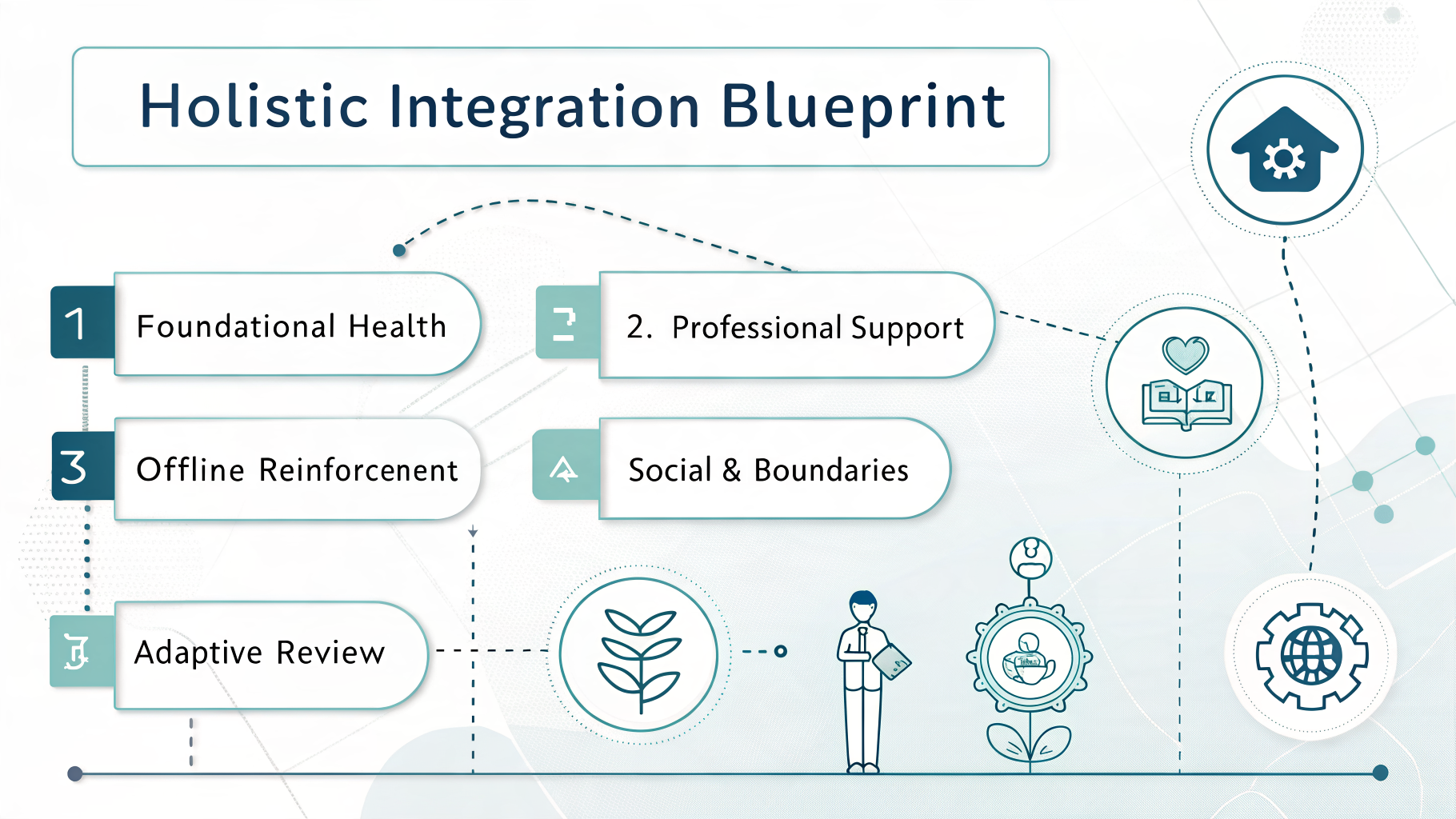
For high-achievers feeling overwhelmed by generalized anxiety, social anxiety, or panic attacks, generic mindfulness apps often fall short. Instead, consider digital tools for anxiety management rooted in Cognitive Behavioral Therapy (CBT), which offer structured, actionable strategies to reframe thoughts and manage symptoms directly. These platforms provide a clear curriculum for building mental resilience, often offering a more robust alternative to general wellness apps. By focusing on skill development, they equip you with practical techniques to proactively address anxiety triggers and patterns, a critical need for many high-performing professionals. Sometimes, generic mindfulness apps don't quite hit the mark, especially if you're a high-achiever seeking precision in your anxiety management. This category of digital tools for anxiety management moves beyond surface-level techniques, offering advanced therapeutic approaches like biofeedback and neurofeedback to target the physiological roots of stress and burnout. For high-achievers feeling that common apps don't address the specific nuances of their anxiety or burnout, specialized tools offer a path to deeper physiological regulation. They provide concrete data and targeted interventions, moving beyond generalized advice to empower you with greater control over your body's stress responses. Integrating new digital tools for anxiety management into an already packed schedule feels daunting. High-achievers often abandon promising solutions not because they lack merit, but because their implementation demands too much upfront effort. Instead of committing to 30-minute meditation sessions, begin with just 5-10 minutes daily. A senior marketing director in Vancouver might use a cognitive behavioural therapy (CBT) app like MindBeacon during their morning coffee, building a sustainable habit without overwhelming their calendar. Block specific times in your digital calendar for app usage. Treat your 10-minute session with MySerenity or another evidence-based tool with the same respect you'd give a client call. Research suggests that scheduled activities are roughly 3 times more likely to be completed. Pair app usage with an existing routine. For instance, open a mood-tracking app while waiting for your laptop to boot up, or listen to a guided breathing exercise on your commute. This reduces friction and makes the new behaviour feel less like an added task. Configure app notifications as gentle reminders, not intrusive demands. A subtle ping from a mindfulness app at 3 PM can serve as a valuable micro-break for a project manager in Toronto, prompting a quick mental reset without disrupting workflow. While digital tools for anxiety management offer powerful, accessible support, their true potential unfolds when integrated into a broader, holistic wellness strategy. For high-achievers, relying solely on an app without addressing foundational well-being pillars risks superficial relief. Think of it like this: an app might teach you cognitive restructuring techniques, but adequate sleep, balanced nutrition, and regular physical activity, like a 30-minute walk through a Vancouver park, provide the essential biological scaffolding for those skills to take root. Digital support, such as a CBT-based program like MySerenity, should complement professional therapy or medical advice when needed, never replace it. A 2019 meta-analysis in JAMA Psychiatry affirmed the effectiveness of mobile mental health apps in reducing anxiety symptoms, yet these tools function best as part of a comprehensive plan. Offline mindfulness practices, like deep breathing exercises or a nature walk, reinforce skills learned digitally. Cultivating strong social connections and setting healthy boundaries—perhaps saying "no" to an extra project at your Calgary firm—mitigate external stressors contributing to burnout. Regularly review your digital toolkit and holistic practices, adjusting them as your needs evolve to ensure continued relevance and impact. By strategically weaving digital resources into a robust personal wellness framework, you move beyond temporary fixes towards sustainable, long-term well-being. This integrated approach ensures that high-achievers not only manage anxiety symptoms but also build lasting resilience against future stressors. Choosing the right digital tool for anxiety management can feel overwhelming, especially with the sheer volume of options available. High-achievers need clarity on which platforms genuinely offer evidence-based support and align with their specific challenges, like burnout or high-functioning anxiety. This comparison helps you quickly identify tools that fit your needs, budget, and comfort with technology. This overview highlights that effective digital tools for anxiety management aren't one-size-fits-all. Your choice should reflect
High-achievers can integrate anxiety apps by scheduling short, focused sessions, much like they schedule meetings. Dedicate 5-10 minutes during a commute or a lunch break for guided meditations or quick CBT exercises. Many apps, including MySerenity, offer customizable reminders and brief modules designed for efficiency. This approach ensures consistent engagement without disrupting demanding work, turning anxiety management into a structured, achievable task rather than an added burden. Generic anxiety apps often fall short for high-achievers because they lack the depth and personalization needed to address complex stressors like performance pressure or imposter syndrome. These individuals typically seek evidence-based strategies and actionable insights, not just surface-level relaxation techniques. Without tailored content that acknowledges their unique challenges and cognitive patterns, generic tools can feel simplistic, failing to provide the robust, data-driven support that high-achievers value in other areas of their lives. Doctor-vetted digital tools for anxiety typically fall into categories based on established therapeutic approaches. These include Cognitive Behavioural Therapy (CBT) apps, which help reframe negative thought patterns, and Mindfulness-Based Stress Reduction (MBSR) programs, focusing on present-moment awareness. Other tools might incorporate elements of Exposure Therapy for specific phobias or Interpersonal Therapy to improve relationships. The "doctor-vetted" distinction means these tools are backed by clinical research and often developed with mental health professionals. Yes, digital tools can effectively support both anxiety and burnout management, as these conditions often share common triggers like chronic stress and emotional depletion. Apps offering Cognitive Behavioural Therapy (CBT) modules can help reframe anxious thoughts, while mindfulness exercises reduce overall stress. For burnout, tools that encourage structured breaks, improve sleep hygiene, or promote self-compassion are beneficial. While not a replacement for professional care, integrated platforms like MySerenity can provide coping strategies for both, fostering resilience and well-being. Comparing doctor-vetted anxiety apps involves evaluating several key factors. Look for apps with published clinical evidence supporting their efficacy and those that align with specific therapeutic approaches, like CBT or MBSR. Consider features such as personalized content, progress tracking, and integration with other health tools. User reviews, data privacy policies, and subscription costs are also important. Organizations like the American Psychiatric Association or Canadian Mental Health Association sometimes offer guidance or reviews on reputable digital mental health resources. For high-achievers battling burnout and decision fatigue, the real challenge isn't finding an app, but rather discerning which of the "best AI mental wellness apps" offer personalized, evidence-based support beyond simple meditation. These tools address specific stressors like perfectionism or performance anxiety. Many high-achievers see anxiety as an unavoidable cost of ambition. However, clinically proven evidence based anxiety coping strategies offer significant symptom reduction, refining your internal operating system for success. Many find basic mood logging unhelpful for preventing burnout. This guide transforms mood tracking into a strategic process for proactive self-management.Doctor-Vetted Category 1: CBT-Based & Skill-Building Platforms
 digital tools for anxiety management." loading="lazy" />
Benefits for High-Achievers
Considerations
Doctor-Vetted Category 2: AI Companions & Conversational Support
AI Companions & Conversational Support
For high-achievers feeling the constant pressure of a demanding schedule, AI companions offer immediate, discreet support that traditional therapy can't always match. These digital tools for anxiety management provide on-demand conversational assistance, helping to bridge the gap when scheduling a human therapist feels impossible. A 2022 study in *Frontiers in Psychiatry* noted AI chatbots show promise in delivering initial psychoeducation and guided exercises.
Benefits for High-Achievers
Important Considerations
Doctor-Vetted Category 3: Specialized Therapy & Biofeedback Tools
Specialized Therapy & Biofeedback Tools
The Upside
Considerations
Integrating Digital Tools into a Busy Lifestyle: Practical Strategies for High-Achievers

Start Small, Build Momentum
Schedule It Like a Meeting
Stack Habits Strategically
Personalize Alerts, Not Demands
Maximizing Effectiveness: Combining Digital Tools with Holistic Strategies for Sustainable Well-being
Maximizing Effectiveness: Combining Digital Tools with Holistic Strategies
Comparing Doctor-Vetted Digital Tools for Anxiety & Burnout
Feature/Aspect
CBT-Based & Skill-Building Platforms
AI Companions & Conversational Support
Specialized Therapy & Biofeedback Tools
Primary Approach
Structured cognitive restructuring, behavioural techniques.
On-demand, empathetic text-based conversations.
Physiological self-regulation (e.g., heart rate variability).
Best For
Generalized Anxiety Disorder (GAD), panic disorder, skill acquisition.
Proactive daily check-ins, emotional processing, immediate support.
Specific physiological anxiety responses, stress reduction.
Cost Range (CAD)
$10–$60/month (e.g., MindBeacon, CBT.ca).
$5–$15/month (e.g., MySerenity, Woebot).
$100–$300+ for hardware + $10–$25/month for software.
Data Privacy Focus
Generally high, often HIPAA/PIPEDA compliant.
Moderate; focus on anonymization, but conversational data is processed.
High, especially for medical-grade devices and platforms.
Integration Difficulty
Moderate; requires dedicated time for modules.
Low; fits into brief moments throughout the day.
Moderate; involves learning new tech and consistent practice.
Choosing Your Ideal Digital Companion: A Framework for Personalized Anxiety Relief
Feeling overwhelmed by the sheer volume of digital tools for anxiety management can be a paradox for high-achievers already battling burnout. Instead of adding to your mental load, selecting the right digital companion requires a deliberate, personalized approach. About 70% of individuals with mental health conditions don't receive adequate care, according to the WHO, underscoring the need for accessible, effective digital solutions – but choosing wisely is key to making them work for you.
Your ideal tool isn't necessarily the most popular one; it's the one that aligns with your specific needs, schedule, and comfort level with technology. For instance, if you're battling decision fatigue, a tool like MySerenity that offers structured CBT exercises might be more effective than a free-form journaling app. A 2019 meta-analysis in JAMA Psychiatry confirms that mobile mental health apps can reduce anxiety symptoms, but their effectiveness hinges on consistent engagement, which only happens when the tool fits your life.
"The best app is the one you actually use. If it feels like another chore, it won't help." — Chief Wellness Officer, Vancouver Tech Firm
By carefully considering these factors, you move beyond generic recommendations to find a digital tool that genuinely supports your well-being, paving the way for sustainable relief that integrates seamlessly into your demanding lifestyle.
Frequently Asked Questions
How can high-achievers integrate anxiety apps into their busy schedule?
Why are generic anxiety apps ineffective for high-achievers?
What are the different categories of doctor-vetted digital tools for anxiety?
Can digital tools effectively manage both anxiety and burnout?
Is there a way to compare doctor-vetted anxiety apps?
Frequently Asked Questions
How can high-achievers integrate anxiety apps into their busy schedule?
Why are generic anxiety apps ineffective for high-achievers?
What are the different categories of doctor-vetted digital tools for anxiety?
Can digital tools effectively manage both anxiety and burnout?
Is there a way to compare doctor-vetted anxiety apps?
Keep reading
All articles →
Doctor's Guide: Best AI Mental Wellness Apps for High-Achievers

High-Achiever's Blueprint: 7 Evidence-Based Anxiety Coping Strategies

Strategic Mood Tracking: How to Effectively Track Your Mood for Burnout & Anxiety Management