

Beyond Busy: Rekindle Purpose & Beat High-Achiever Burnout
Many high-achievers burn out not from busy workloads, but from a profound lack of meaning despite career triumphs. This internal paradox, where external success doesn't bring inner satisfaction, highlights the need to rekindle purpose.

Defining 'Beyond Busy' Burnout: When Success Feels Empty
Defining 'Beyond Busy' Burnout: When Success Feels Empty
While many assume burnout for high-achievers is simply a consequence of overwhelming workloads, the more insidious truth is that their exhaustion often stems from a profound lack of meaning, even amidst career triumphs. The World Health Organization (WHO) formally recognized burnout as an ‘occupational phenomenon’ in 2019, but for successful individuals, this manifests less as general fatigue and more as an internal paradox: external accolades don’t translate to inner satisfaction, leading to the precise challenge of Beyond Busy: Why High-Achievers Burn Out When Work Lacks Meaning (and How to Rekindle Your Purpose).
This ‘Beyond Busy’ burnout isn't merely about having too much on your plate; it’s about feeling an increased mental distance from your job, even when performance metrics remain high. You might be hitting every target, closing major deals, or leading successful teams, yet a deep sense of emptiness persists. This specific type of burnout addresses the pain point of feeling unfulfilled despite achieving significant career success and external validation, questioning why successful people often feel unfulfilled at work.
Unlike typical burnout, which often focuses on the sheer volume of tasks, ‘Beyond Busy’ burnout emphasizes an existential component. It's characterized by a sense of detachment from the core purpose of one’s work, where the ‘why’ behind the daily grind has faded or was never truly aligned with personal values. A senior marketing director in Vancouver, for instance, might excel at launching high-profile campaigns but feel hollow because the product doesn't resonate with their personal ethics, highlighting a meaning deficit rather than just an overwhelming workload.
This distinction is critical because managing workload alone won't solve a deficit of meaning. For high-achievers, understanding this deeper cause is the first step towards re-engagement and preventing the cycle of exhaustion that even external validation cannot break.
The Unique Psychology of High-Achievers and the Search for Meaning
Many high-achievers find themselves caught in a silent contradiction: they’ve scaled career heights, yet a persistent emptiness shadows their success. This isn't just about long hours; it's a deeper crisis rooted in a unique psychological framework that often sidelines the search for meaning. For many, the very conditioning that propelled them to leadership roles in fields like Bay Street finance or Vancouver tech startups also taught them to prioritize external metrics—promotions, salary benchmarks, industry awards—over intrinsic satisfaction. The question of why successful people feel unfulfilled at work often goes unasked, overshadowed by the next professional target.
Your self-worth, as a high-achiever, is frequently intertwined with these professional accomplishments. Admitting to burnout or a lack of purpose can feel like a personal failure, a weakness that goes against the very identity you've built. A senior manager at a Calgary engineering firm might fear being perceived as ungrateful, especially when others view their career as enviable.
The intense pressure prevalent in high-achieving professions—from emergency room physicians in Toronto to senior partners in national law firms—creates environments where the pursuit of meaning is often seen as a luxury, not a necessity. This contributes significantly to higher rates of burnout. Societal expectations, particularly the pervasive 'hustle culture' in North America, reinforce the idea that constant productivity and ambition are paramount, making it harder for high-performers to address a deeper meaning crisis in career. This relentless drive can make the core topic of Beyond Busy: Why High-Achievers Burn Out When Work Lacks Meaning (and How to Rekindle Your Purpose) feel particularly challenging to address head-on.
Understanding these unique psychological and societal pressures is the first step toward breaking free from the cycle. It helps frame why traditional burnout solutions often miss the mark for those whose success is outwardly undeniable, yet inwardly hollow. The next step is to examine the subtle, often overlooked signs that your burnout stems from this deeper void, rather than just an overwhelming workload.
Subtle Signs Your Burnout Stems from a Lack of Purpose
When you're a high-achiever, burnout often manifests beyond mere exhaustion. You might still hit every deadline and exceed targets, yet a gnawing emptiness persists. This isn't just about being tired; it's a deeper malaise, a subtle sign your burnout stems from a lack of purpose, even when external validation is abundant.
You might notice a pervasive apathy towards tasks you once found engaging, an emotional detachment where the impact of your work feels distant or irrelevant. Despite significant milestones, such as closing a major deal, launching a successful product, or securing a key grant, there's a lingering sense of unfulfillment. This isn't just a bad day; it's a consistent questioning of the 'point' of it all, even if the financial rewards or prestige are substantial. Many people experience burnout, yet many struggle to pinpoint the underlying meaning deficit.
Recognizing these less obvious indicators is the first step in understanding Beyond Busy: Why High-Achievers Burn Out When Work Lacks Meaning (and How to Rekindle Your Purpose). This type of burnout signals a disconnect between your personal values and your professional life, paving the way for a deeper exploration into what truly drives you and how to realign your efforts.
The Deeper Cost: How Meaning Deficit Impacts Your Well-being and Performance

The Deeper Cost: How Meaning Deficit Impacts Your Well-being and Performance
The quiet erosion of purpose in your work doesn't just make Mondays harder; it actively compromises your mental and physical health, particularly for high-achievers who often tie their self-worth directly to their professional output. You might hit every target, but if the underlying work feels hollow, the cumulative stress can manifest in profound ways, leading to the very burnout you strive to avoid. This isn't merely about job dissatisfaction; it’s about a fundamental misalignment that disconnects you from your intrinsic drive.
Research consistently highlights the severe impact of this meaning deficit. Studies indicate a strong correlation between a sense of purpose and overall well-being, including lower rates of depression and anxiety. Conversely, a lack of purpose contributes to chronic stress, which can manifest physically through sleep disturbances, persistent headaches, and a weakened immune system. For someone in a demanding role, like a senior software engineer in Waterloo or a marketing director in Vancouver, these symptoms can compound, creating a vicious cycle where diminished health further impairs performance.
Burnout isn’t an isolated incident affecting a few; it’s a widespread challenge, especially when work lacks meaning. When high-achievers experience this, the internal conflict between their drive to succeed and the emptiness of their daily tasks creates a breeding ground for exhaustion. You might push harder, thinking more effort will bridge the gap, but without purpose, you're essentially running on an empty tank.
This internal struggle erodes motivation and creativity, leading to reduced professional efficacy and a decline in the quality of work, even for highly capable individuals. Addressing this meaning deficit is therefore not just a personal wellness strategy, but a critical step in maintaining your professional edge and truly moving Beyond Busy: Why High-Achievers Burn Out When Work Lacks Meaning (and How to Rekindle Your Purpose).
Why High-Achievers Often Miss the 'Meaning' Component of Burnout
You’ve hit every milestone, exceeded expectations, and yet, an unsettling emptiness persists. This is the paradox many high-achievers face: the exhaustion you feel isn't just about long hours or tight deadlines. It’s often a deeper crisis of meaning, one that gets consistently overlooked. Instead, you might attribute your fatigue solely to workload, missing the existential roots of your burnout.
The fast-paced, results-driven environments common in fields like tech, finance, or healthcare leave little room for introspection. There's an ingrained belief that success equates to happiness, making it incredibly difficult to admit feeling unfulfilled. A senior project manager in Vancouver, for instance, might dismiss their ennui as simply "too much on my plate," rather than questioning if their work truly aligns with their values. Employees who find meaning in their work are often less prone to burnout, yet this connection is frequently overlooked in high-achieving circles.
Your identity often becomes inextricably tied to external achievements. When a lack of meaning surfaces, it directly challenges your core self-worth and professional identity. This makes it devastating and confusing. Admitting to feeling burned out despite a prestigious role can feel like a failure, triggering a fear of being perceived as weak or ungrateful. This psychological barrier prevents honest self-assessment, perpetuating the cycle of Beyond Busy: Why High-Achievers Burn Out When Work Lacks Meaning (and How to Rekindle Your Purpose). Most advice focuses on stress management, missing this crucial, deeper component.
Recognizing that your burnout might stem from a lack of purpose, rather than just an overflowing inbox, is the critical first step. It requires a shift from managing symptoms to diagnosing the underlying cause, preparing you to explore a more structured approach to re-alignment.
The 'Purpose Audit': A Framework for Diagnosing Your Meaning Gap

The 'Purpose Audit': Diagnosing Your Meaning Gap
Many high-achievers find themselves caught in a silent paradox: external success often masks an internal emptiness. While workload and stress are easy culprits to blame for burnout, the deeper issue often lies in a profound disconnect from meaning. To address this, we need more than generic advice; we need a concrete, actionable framework. The 'Purpose Audit' offers a structured, step-by-step process to systematically identify your core values, assess their alignment with your current work, and pinpoint precisely where that vital sense of purpose is missing.
This audit moves beyond simply acknowledging burnout to help you diagnose the specific 'meaning gap' contributing to your exhaustion. It directly tackles the pain point of not knowing how to reconnect with your internal drivers when work feels transactional or draining. By creating a clear map between your personal values and your professional activities, you can identify specific areas for re-alignment without the overwhelming pressure of a complete career overhaul. This foundational step is crucial for anyone wondering how to move Beyond Busy: Why High-Achievers Burn Out When Work Lacks Meaning (and How to Rekindle Your Purpose).
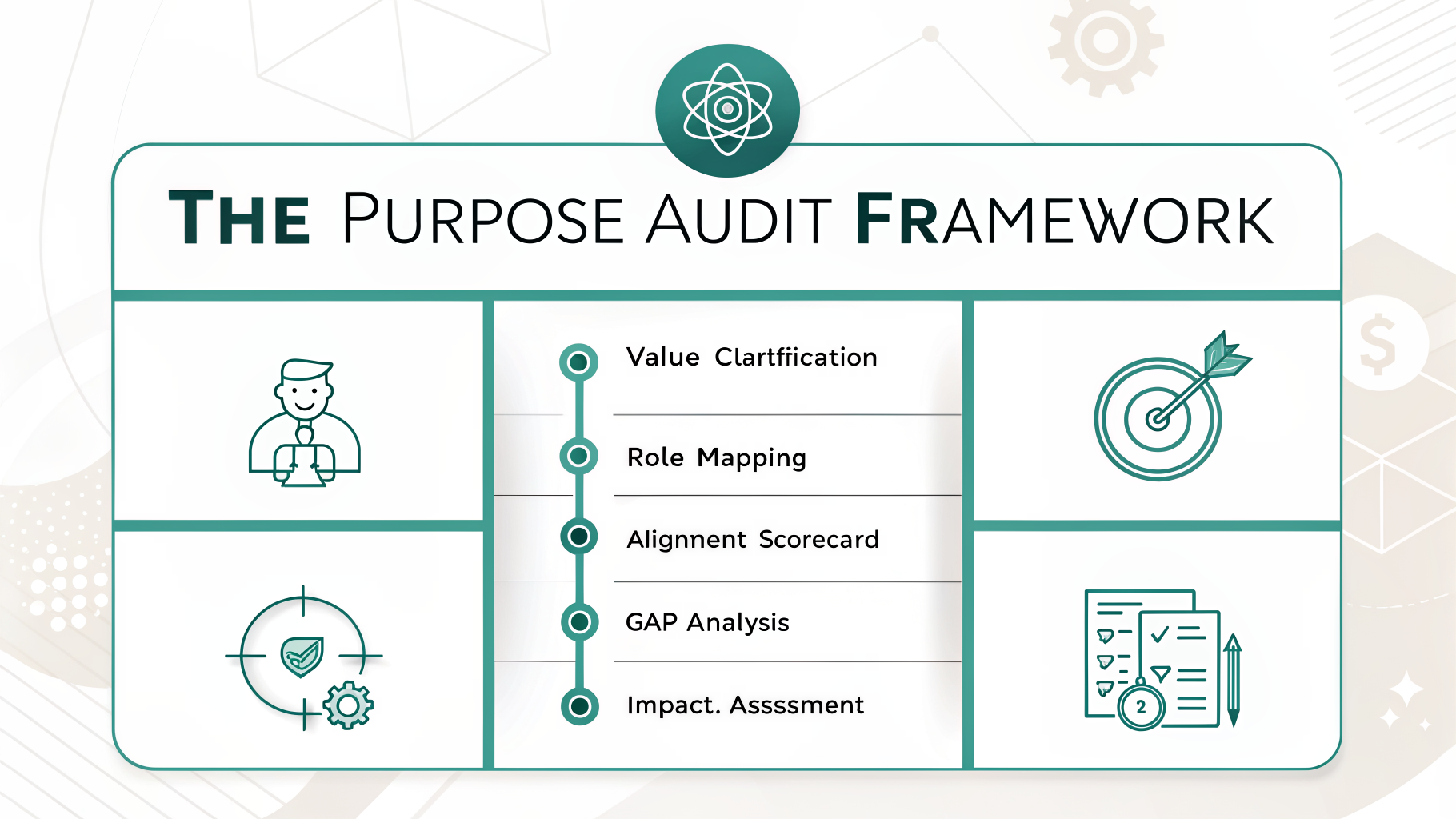
This systematic evaluation provides the clarity needed before implementing practical strategies. A senior project manager in Vancouver, for instance, might discover that while their technical skills are highly utilized, their core value of 'community impact' is completely absent from their daily tasks, leading to profound disengagement despite a high salary. Understanding this specific gap is the first critical step toward infusing more purpose back into their role.
Practical Strategies to Inject Purpose into Your Current Role
Feeling trapped in a successful but soul-crushing role is a common pain point for high-achievers. You've built a career, often with significant financial and professional rewards, but the thought of a complete career overhaul feels daunting, even irresponsible. The good news is that rekindling purpose doesn't always demand a drastic change; often, it's about making impactful, internal shifts within your current framework.
Audit Your Tasks for Alignment
Identify which specific tasks within your current role energize you versus those that drain you. For example, a senior marketing manager in Vancouver might dread budget reconciliation but thrive on mentoring junior staff. Actively seek to delegate or minimize draining tasks and proactively volunteer for projects that align with your core values, even if they're not explicitly in your job description. This 'job crafting' can significantly alter your daily experience.
Reframe Your Impact
High-achievers often lose sight of the 'why' behind their work. Connect your daily duties to a larger impact. A software engineer at a Toronto fintech company, for instance, might reframe bug fixes not just as technical tasks, but as ensuring financial security for thousands of Canadian users. This perspective shift, even without changing the task itself, can infuse meaning. Research suggests employees who find purpose are significantly less likely to experience burnout, according to Gallup data.
Seek Micro-Mentorship or Collaboration
Purpose can emerge from connection. A project lead in Calgary might offer to mentor a new graduate, finding renewed purpose in knowledge sharing, or collaborate on an inter-departmental initiative. These small interactions can combat the isolation that often accompanies a meaning crisis in career.
Integrate Personal Values Externally
If direct alignment within your job feels impossible, explore ways to live your values outside of work that still leverage your professional skills. Anyone with a busy schedule who cares about social justice could dedicate an hour a week to pro bono work or join a board for a local charity. This external integration can prevent the complete depletion seen in Beyond Busy: Why High-Achievers Burn Out When Work Lacks Meaning (and How to Rekindle Your Purpose).
Rekindling Your Inner Drive: Long-Term Habits for Sustainable Purpose
Rekindling Your Inner Drive: Long-Term Habits for Sustainable Purpose
You might have implemented immediate strategies to inject meaning back into your work, but sustaining that connection requires more than a one-time fix. High-achievers often fall back into the "empty success" cycle because they don't build habits that protect their sense of purpose. The real work of preventing future burnout and maintaining resilience, especially when you're tackling the challenge of Beyond Busy: Why High-Achievers Burn Out When Work Lacks Meaning (and How to Rekindle Your Purpose), lies in consistent, deliberate practice.
One powerful habit is the "purpose check-in." Just as a project manager reviews milestones, you should schedule quarterly reviews of your personal values and how your current role aligns with them. For example, someone in a senior technical role might block out an hour every three months to reflect on whether their contributions still genuinely serve their passion for accessible technology, adjusting project choices if needed. This isn't just navel-gazing; it's strategic re-alignment, ensuring your work continues to resonate.
Building a robust support network is equally vital. High-achievers often isolate themselves, but connecting with peers and mentors who understand the unique pressures of demanding roles provides invaluable perspective. A director of marketing in Toronto struggling with a new product launch might find immense relief and clarity by discussing it with a former colleague who faced similar challenges, gaining insight into how they maintained their drive despite the stress. This network helps validate your experience of "high achiever burnout lack of meaning" and offers practical advice.
Finally, embrace self-care and mindfulness not as luxuries, but as non-negotiable components of your professional life. Many high-achievers still see self-care as secondary to external achievement. Practicing mindfulness – even just five minutes of focused breathing before a major presentation – helps you stay attuned to your internal signals, preventing a slide back into depletion. This deliberate act of valuing your personal well-being over relentless external achievement is a core strategy to overcome a meaning crisis in your career.
Frequently Asked Questions About Purpose-Driven Work
Even with a clear framework like the Purpose Audit, questions naturally arise about the nuances of purpose-driven work and how it applies to your unique situation. High-achievers often seek clarity on when to push through, when to pivot, and how to navigate the internal and external pressures that accompany a search for meaning.
Quick Reference: Common Questions on Purpose & Burnout
If you're exhausted but still feel a spark of passion for the 'why' behind your work, it might be a workload issue. However, if success feels hollow, you experience emotional detachment, and an persistent emptiness lingers even when tasks are manageable, your burnout likely stems from a lack of meaning, as explored in "Beyond Busy: Why High-Achievers Burn Out When Work Lacks Meaning (and How to Rekindle Your Purpose)".
Yes, through "job crafting." Focus on small, controllable aspects – perhaps connecting with beneficiaries or using the role to develop skills for future alignment. Sometimes, a job's purpose is foundational (e.g., financial stability) enabling purpose outside of work.
If, after genuinely applying the Purpose Audit and new strategies for 6-12 months, your core values remain fundamentally misaligned with your role or industry, and the meaning deficit persists, a more significant change might be necessary. This indicates that small shifts aren't enough.
Recognize that burnout is an occupational phenomenon, not a personal failing, as the WHO acknowledged in 2019. Many successful individuals experience it. Seeking help is a sign of strength and self-awareness, leading to renewed purpose and well-being.
Focus on internal strategies. Engage in micro-purpose projects, reframe your perspective, and build a strong external network. While employer support helps, your purpose journey is ultimately personal.
Understanding these distinctions helps you apply the Purpose Audit framework more effectively. It shifts the focus from merely managing symptoms to addressing the core drivers of your exhaustion, enabling more targeted and sustainable solutions for your well-being and career satisfaction.
Frequently Asked Questions
Is success without meaning a form of burnout for high achievers?
Why do high achievers often feel unfulfilled despite career success?
How can I tell if my burnout is caused by a lack of purpose?
Can I inject more purpose into my current job?
What are long-term habits for sustainable purpose in work?
Keep reading
All articles →
Stress or Burnout? A Self-Check for Driven Professionals
Exhaustion is not automatically burnout, and that distinction matters. This self-check walks you through the markers that separate ordinary work stress from a pattern you can no longer manage on your own.

How to Recognize Decision Fatigue Before It Derails Your Day
Your small choices may cost more energy than your big ones, and the research behind decision fatigue is messier than most articles admit. This guide shows how to spot the warning signs early and lighten your daily load with practical habits.

Burnout or Rustout? High-Achievers' Self-Diagnosis Guide
High-achievers often misinterpret professional unease as simple exhaustion, overlooking the critical distinction between burnout and rustout. This misdiagnosis leads to ineffective solutions, leaving them feeling even more stuck.