

The Self-Help Book Trap: Why 12 Books Make You Feel Worse
The self-improvement market often thrives on cultivating inadequacy, not true resolution. This is the heart of the self-help book trap: why you read 12 and feel worse, blaming yourself for generic advice.
Why Do Self-Help Books Make Me Feel Worse Instead of Better?
Paradoxically, the global self-improvement market, projected to exceed $70 billion by 2030, often thrives not on true resolution but on a subtle cultivation of inadequacy. This is the heart of the self-help book trap: why you read 12 and feel worse. When you invest significant time and money into dozens of books, expecting a transformation that doesn't arrive, the industry keeps growing by making you feel like you are the problem, not the generic advice.
Many self-help books offer generic, one-size-fits-all solutions, often ignoring the nuanced realities of your life. If you're a single parent in Saskatoon struggling with burnout, advice like "wake up at 5 AM and journal" feels not only unhelpful but adds to a sense of failure. This can lead to 'toxic positivity,' where the constant push for an 'empowered' mindset invalidates your genuine struggles, making you feel guilty for not being 'happy enough' when facing real challenges.
Furthermore, the Dunning-Kruger effect suggests you might overestimate your ability to self-diagnose complex issues, believing a book can fix what truly needs professional perspective. The financial and time investment in this cycle of reading without tangible improvement compounds frustration, leaving you more exhausted and defeated than when you started.
The Allure of the Self-Help Promise: Why We Keep Buying In
It feels counterintuitive that the pursuit of personal growth through books could leave you feeling worse, yet the self-help industry thrives on this very paradox. What hooks us isn't just the promise of self-improvement, but the subtle suggestion that our current struggles are merely a lack of the "right" mindset or strategy – a problem easily fixed with the next book. This narrative often downplays the deep-seated complexities of human behaviour and systemic challenges, offering instead the allure of a simple, actionable solution.
The global self-improvement market is a testament to this powerful appeal. People like a new parent in Halifax, overwhelmed by sleepless nights, or a professional in Calgary grappling with career stagnation, often turn to these resources hoping for a quick, clear path forward. Marketing capitalizes on this inherent human desire for agency and progress, leveraging aspirational language and glowing testimonials to create an illusion of guaranteed transformation. You find yourself caught in the self-help book trap: why you read 12 and feel worse, buying into the idea that success is always just one more book away.
"Sometimes I think these books are designed to make you feel like you're always one more purchase away from the answer, never actually finding it." — school counsellor, Toronto
These figures, with the market size projected by various industry reports and reader feedback indicating a significant portion feel no lasting change, highlight a stark reality. The industry's rapid expansion, with market analysts noting over 20% annual growth in digital self-help segments, mirrors our collective yearning for quick fixes. We are drawn to the idea that personal shortcomings can be easily overcome with a new 'mindset' or 'strategy,' rather than confronting the often slow, incremental work of genuine personal development or seeking professional support.
This constant striving, fueled by the industry's promises, can ironically lead to a deeper sense of inadequacy when the promised transformation doesn't materialize. It sets the stage for a cycle where the very tools meant to empower us begin to erode our self-worth, a dynamic we'll explore further.
The 'Self-Help Trap' Explained: More Books, Less Progress
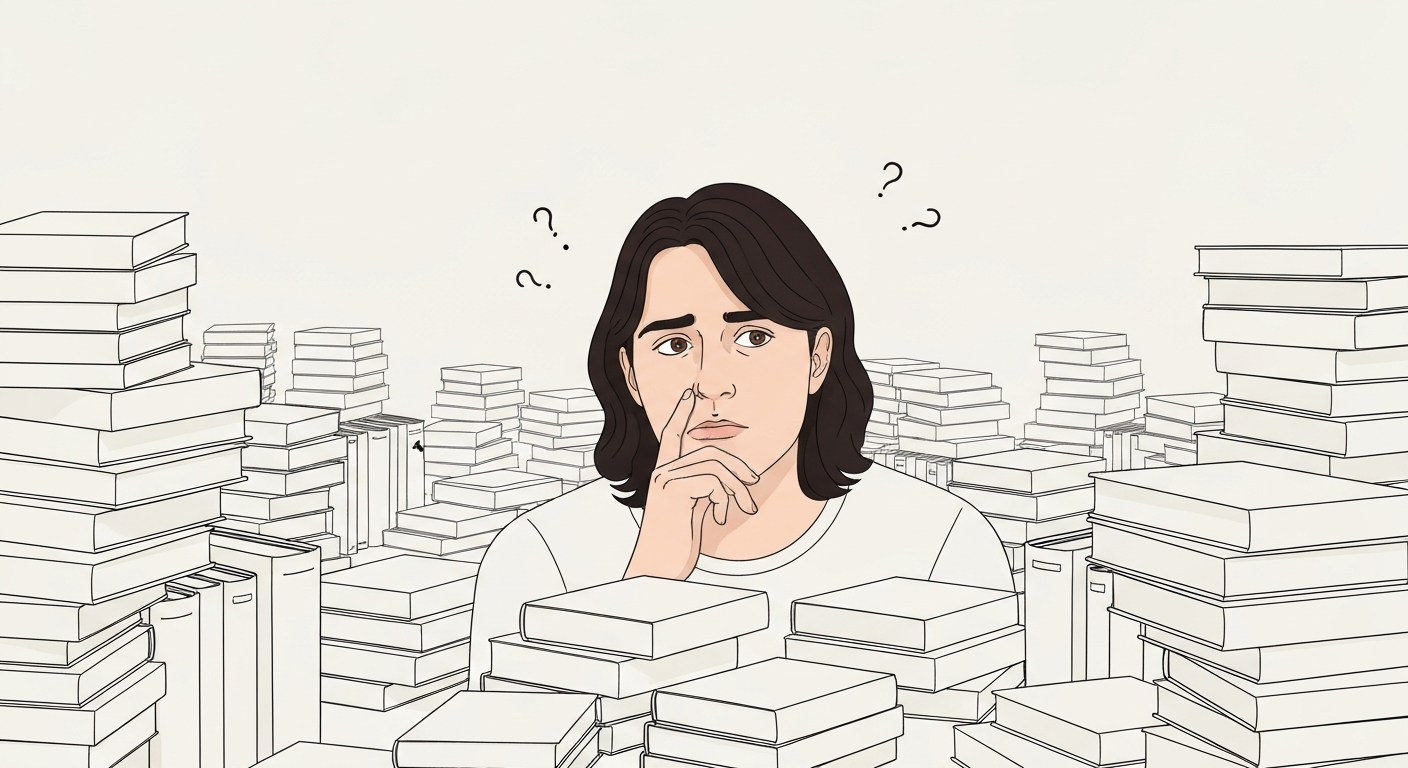
It feels counterintuitive, but constantly seeking self-improvement through books can leave you feeling worse, trapped in an endless loop. The self-help book trap: why you read 12 and feel worse isn't about content quality, but how the industry's structure creates an illusion of progress without real change, often leaving you feeling inadequate.
"Many people confuse reading about change with actually changing. It's like expecting a new diet book to magically make you fit without ever lacing up your shoes. The reading feels productive, but the body doesn't change." — Wellness coach, Vancouver
Many self-help titles offer appealing but generic advice, distinct from tailored, evidence-based strategies that foster lasting change.
| Aspect | Generic Self-Help Book | Evidence-Based Support (e.g., Therapy, Structured Programs) |
|---|---|---|
| Approach | One-size-fits-all tips ("just be positive"). | Individualized, often professional-led. |
| Focus | Broad motivation, mindset. | Specific skill-building, root causes. |
| Outcome | Temporary inspiration, illusion of progress. | Measurable behavioural change, sustainable well-being. |
| Industry Driver | New book sales (market over $70 billion by 2030). | Client progress, long-term impact. |
This difference highlights why consuming more books leads to 'self-help burnout,' leaving you overwhelmed without tangible improvement.
You might search for the 'next big thing' because the previous book's generic advice, like "visualize success daily," didn't address your specific challenges in a mid-sized urban daycare. This constant search depletes energy and reinforces the cycle.
Beyond Motivation: Why Mindset Shifts Aren't Always Enough
You might pick up a self-help book hoping for a new perspective, believing a mindset shift is all you need to overcome current struggles. The irony is, many of these resources, despite their positive intent, often sidestep the profound reality that some challenges aren't just about attitude, but deeply rooted psychological or systemic issues.Mindset: When It's Not Enough
A positive outlook alone won't resolve deep trauma or neurodivergent challenges like ADHD; these demand specific support.
That persistent 'meh' feeling often needs more than motivation. Statistics Canada notes many experience subclinical distress.
When chronic stress from precarious work in Toronto exists, willpower alone is insufficient for lasting change.
Blaming "mindset" ignores real constraints. A single parent in rural Manitoba faces systemic hurdles beyond positive thinking.
Individual mindset can't fix inadequate childcare or housing shortages. These external pressures profoundly impact well-being.
"I kept trying to 'manifest' a better job, but my exhaustion was from undiagnosed ADHD for years. Mindset wasn't the full picture." — a parent and small business owner, HalifaxThis singular focus on internal mindset fuels the self-help book trap: why you read 12 and feel worse. It can foster intense self-blame, making you feel inadequate for not "thinking your way out" of complex situations like the aftermath of trauma or the daily realities of systemic inequity. True progress often requires specialized support.
When Self-Help Becomes Self-Blame: The Cycle of Inadequacy
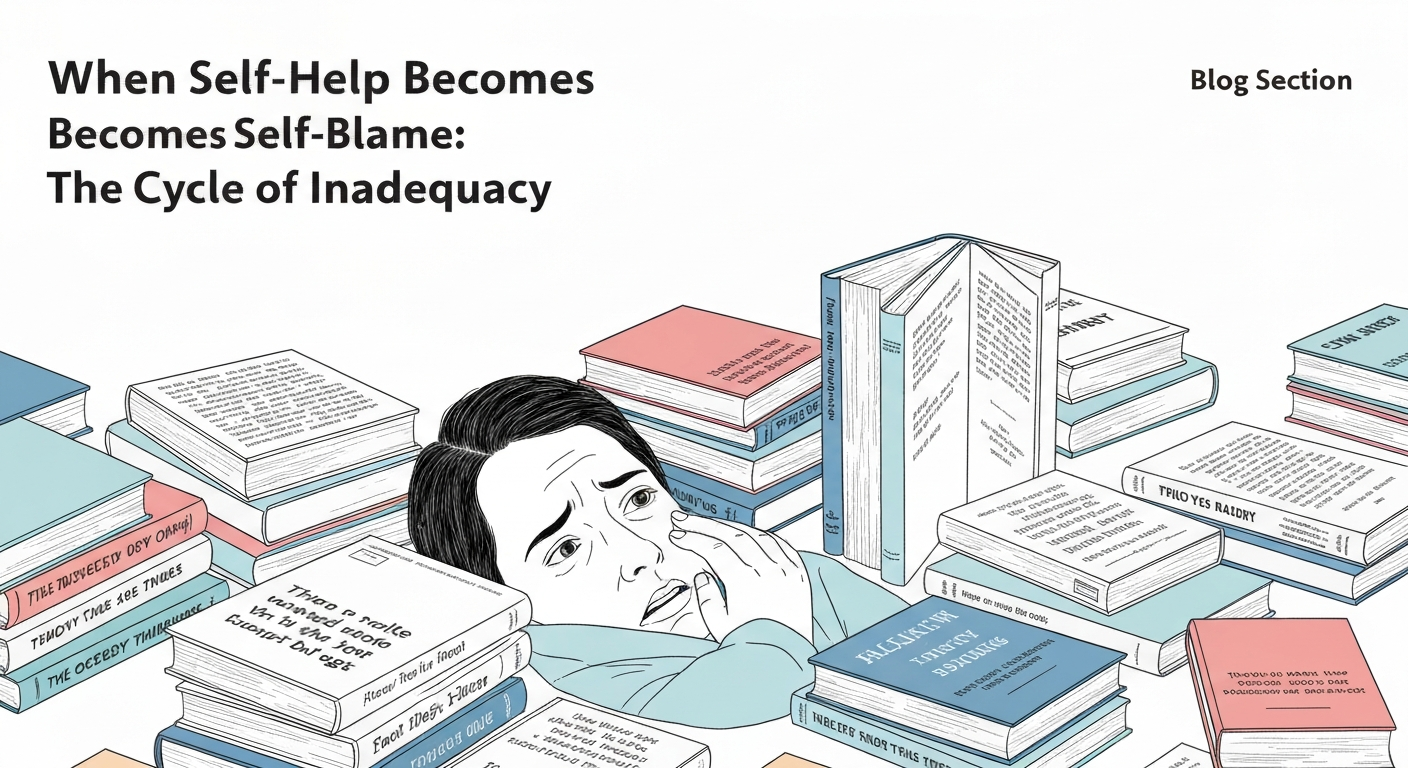
When the promised transformation from a self-help book doesn't appear, you often find yourself feeling worse, not better. This painful reality fuels search queries like 'why self-help books make me feel worse,' indicating a widespread experience of increased self-blame. The self-help book trap: why you read 12 and feel worse, often hinges on an implicit message: if you haven't succeeded, you simply haven't tried hard enough, or haven't found the 'right' book yet. This leads to a profound sense of being 'broken' or inadequate, rather than questioning the advice itself or the industry, which is projected to reach over $70 billion globally by 2030.
"It's disheartening to see how many people internalize the failure of a self-help strategy, thinking *they* are broken, instead of realizing the advice itself might have been too simplistic." — wellness coach, Calgary
The Promise of Self-Help
- Quick fixes for complex problems
- Empowerment through positive thinking
- Feeling in control of your destiny
- Immediate actionable steps
The Reality of Self-Blame
- Increased guilt when advice fails
- Feeling 'broken' or inadequate
- Suppression of genuine emotions (toxic positivity)
- Perpetual search for the 'right' book
This cycle is exacerbated by 'toxic positivity,' a pervasive issue where you feel pressured to maintain a positive façade, suppressing genuine emotions and hindering healthy processing. For a senior kindergarten teacher in Halifax, for example, constantly being told to "just be positive" about burnout can invalidate their real struggles. This perpetuates the very inadequacy you sought to overcome, keeping you stuck in a loop of trying, failing, and blaming yourself.
Recognizing Your 'Self-Help Ceiling': When to Seek Deeper Support
If you're caught in the self-help book trap, reading 12 books and feeling worse, it's time to recognize its limits.
"I kept thinking I just hadn't found the 'right' book yet, but all I found was more confusion and less energy." — daycare director, Vancouver
Spot Self-Help Burnout
Notice increased overwhelm, anxiety, or hopelessness despite constant effort. A senior kindergarten teacher in Halifax, for example, feeling more stressed by "mindset" books than her job, signals a problem.
Assess Persistent Symptoms
If anxiety, depression, or chronic stress persist, professional help is crucial. A 2023 JAMA Psychiatry meta-analysis found therapist-led interventions offer superior outcomes for moderate to severe depression.
Understand Professional Efficacy
Self-help offers general tools; therapy provides personalized diagnosis and accountability. For social anxiety, a therapist tailors exposure techniques, unlike a generic book.
Plan Your Transition
Recognizing your self-help ceiling is an exit strategy. Connect with a registered psychotherapist, certified coach, or structured programs like MySerenity for guided, evidence-based support.
Moving from endless self-help consumption to targeted professional support is a strategic step towards genuine, lasting well-being.
Breaking Free: Real Strategies for Sustainable Well-being Beyond the Books
Breaking Free: Real Strategies for Sustainable Well-being Beyond the Books
Breaking free from the self-help book trap—why you read 12 and feel worse—isn't about finding the *right* book; it's about shifting how you approach personal growth entirely. It means moving past the promise of a quick fix and embracing a more discerning, action-oriented path. Instead of chasing another "game-changing" title, develop a critical framework for evaluating advice. Prioritize resources backed by scientific evidence and professional credentials, such as cognitive behavioural therapy (CBT) principles, over simplistic promises. For instance, a program developed by a registered psychologist with peer-reviewed research is generally more reliable than one by an uncredentialled influencer. True change stems from consistent action, not just knowledge acquisition. Consider evidence-based alternatives: structured therapy, like dialectical behaviour therapy (DBT) offered by mental health clinics in British Columbia, or professionally guided mindfulness practice, not just an app. Community support groups, such as peer-led anxiety support circles in Halifax, offer practical connection and shared strategies."I realised I was searching for answers in books that were already inside me, or needed a professional to help me find." — parent of two, CalgaryComplex emotional challenges often require tailored, professional support. If you are grappling with persistent anxiety or depression, a therapist or a medical doctor can provide personalized strategies that a generic self-help book simply cannot. MySerenity, for example, offers resources to connect you with licensed therapists who can provide this individualized guidance. Moving beyond endless reading means embracing action, critical thinking, and the courage to seek specific, tailored help when a book isn't enough.
Frequently Asked Questions
Why do I feel worse after reading self-help books?
Many self-help books inadvertently frame personal challenges as individual failings, not systemic issues or normal human experiences. When you struggle to implement advice, like a specific morning routine from a popular productivity book, you might internalize that as your inadequacy, rather than recognizing the advice wasn't a universal fit. This can deepen feelings of guilt or frustration, making you feel worse than before you started reading, especially if you compare your progress to the book's idealized outcomes.
What is the self-help book trap?
The self-help book trap is the cycle where you seek solutions in books, feel a temporary surge of hope, but then struggle to apply generic advice to your unique life. When expected changes don't materialize, you often blame yourself, leading to feelings of failure. This can create an endless loop of purchasing more books, each promising a breakthrough, without addressing the underlying emotional or practical barriers. For example, buying another 'how to be happier' book after the last one didn't yield lasting change.
How can I break the cycle of self-blame from self-help?
Breaking the cycle involves shifting from self-blame to self-compassion and realistic expectations. Recognize that personal growth isn't a linear process dictated by a book's timeline. Prioritize small, achievable steps tailored to your life, like adding a 10-minute mindful walk instead of a rigid two-hour morning routine. Consider professional guidance, such as a therapist or coach in your community, who can offer personalized strategies and validate your experiences, moving beyond generic advice and fostering genuine self-acceptance.
Is reading too many self-help books harmful?
Yes, excessive reading of self-help books can be detrimental. It often leads to "analysis paralysis," where you're overwhelmed by conflicting advice and struggle to take any concrete action. This constant consumption can also become a form of procrastination, creating an illusion of progress while avoiding the difficult, messy work of real-life change. For instance, spending hours reading about 'how to start a side hustle' might prevent you from actually taking the first small step towards launching one.
Can I find sustainable well-being without self-help books?
Absolutely. Sustainable well-being often stems from consistent, real-world actions and genuine human connection, not solely from theoretical knowledge. Prioritize activities like regular physical movement, meaningful social interactions with friends or family, and engaging in hobbies that bring joy. When facing significant challenges, seeking support from a registered therapist or counsellor in your province, like in Alberta, provides personalized, evidence-based strategies that generic books cannot replicate, fostering lasting positive change.
Frequently Asked Questions
Why do I feel worse after reading self-help books?
What is the self-help book trap?
How can I break the cycle of self-blame from self-help?
Is reading too many self-help books harmful?
Can I find sustainable well-being without self-help books?
Keep reading
All articles →
Doctor's Guide: Best AI Mental Wellness Apps for High-Achievers
For high-achievers battling burnout and decision fatigue, the real challenge isn't finding an app, but rather discerning which of the "best AI mental wellness apps" offer personalized, evidence-based support beyond simple meditation. These tools address specific stressors like perfectionism or performance anxiety.

High-Achiever's Blueprint: 7 Evidence-Based Anxiety Coping Strategies
Many high-achievers see anxiety as an unavoidable cost of ambition. However, clinically proven evidence based anxiety coping strategies offer significant symptom reduction, refining your internal operating system for success.

Strategic Mood Tracking: How to Effectively Track Your Mood for Burnout & Anxiety Management
Many find basic mood logging unhelpful for preventing burnout. This guide transforms mood tracking into a strategic process for proactive self-management.