

Ontario Therapy Costs: Your Blueprint to Afford Care with OHIP & EAPs
Many Ontarians struggle with the high sticker price of private therapy and navigating what isn't covered by OHIP or how quickly EAP sessions run out. Private sessions typically range from $120 to $250 per hour, as OHIP covers very little private mental health care.

How Much Does Therapy Cost in Ontario, and What Influences the Price Tag?
Many Ontarians assume the high sticker price of private therapy is the main barrier to mental health support, but the real challenge often lies in the hidden "cost" of navigating what isn't covered by OHIP and how quickly limited Employee Assistance Program (EAP) sessions run out. So, how much does therapy cost in Ontario? OHIP, EAPs, and what's actually covered usually means a private session ranging from $120 to $250 per hour. This figure represents out-of-pocket expenses because OHIP covers very little private mental health care, primarily focusing on psychiatric services with a general practitioner's referral, not ongoing talk therapy with private practitioners. EAPs offer a temporary bridge, typically providing 3-8 free sessions, but then you're left to find sustainable funding.
Several factors influence this price tag. The professional's designation is a significant one: a registered psychologist, for instance, often charges at the higher end of the spectrum, sometimes $200-$250 per hour in a city like Toronto, due to their extensive training and regulated scope of practice. A registered social worker or registered psychotherapist might charge $120-$180 per hour, reflecting different educational paths and regulatory bodies. Experience also plays a role; a senior psychotherapist with 20 years of practice will likely charge more than a newly registered one.
Geographic location is another key variable. A session in downtown Toronto or Ottawa will typically cost more than in a smaller city like Kingston or Thunder Bay, where overheads are generally lower. Specialized therapeutic approaches, such as Dialectical Behaviour Therapy (DBT) or Eye Movement Desensitization and Reprocessing (EMDR), can also command higher fees due to the specific training and expertise required. Before committing, always ask about initial consultations; many therapists offer these at a reduced or no cost, giving you a chance to clarify fees and payment structures.
"It's not just the hourly rate; it's the mental load of figuring out how to pay for it consistently that adds to the stress. We need clearer signposts." — Parent of a teen in Ottawa
Understanding these variables is your first step towards building a personalized blueprint for affording care. Next, we'll explore exactly what OHIP covers and where its limitations lie, helping you distinguish between public and private options.
Does OHIP Cover Therapy? Navigating Public vs. Private Mental Health Care
It's easy to assume all mental health support falls under the same umbrella of OHIP coverage, but the reality in Ontario is often a frustrating game of definitions. While the province deeply invests in mental healthcare, the specific "therapy" you might be seeking is frequently separated by a crucial public-private divide, leaving many surprised by out-of-pocket expenses.Understanding OHIP's Role in Mental Health Support
OHIP covers appointments with psychiatrists, who are medical doctors specializing in mental health. You'll need a referral from your family doctor (GP) for diagnosis, medication management, and medical consultations. These services are fully covered.
Many hospital-based mental health programs and services at community health centres (like CAMH or CMHA branches) are covered by OHIP. These can include group therapy, crisis support, and some individual counselling. However, wait times can be substantial, often ranging from several weeks to over a year for specialized programs.
Generally, OHIP does not cover private sessions with registered psychologists. If you see a psychologist in private practice, you typically pay out-of-pocket, or your private health insurance might cover a portion.
Similar to psychologists, OHIP usually does not cover private sessions with registered social workers providing psychotherapy. These services are primarily funded through private insurance plans or personal payment.
Private sessions with registered psychotherapists are not covered by OHIP. Like RSWs and psychologists, their fees are typically paid directly by you or reimbursed through your extended health benefits.
"Many people come to us expecting OHIP to cover everything, and it's tough explaining that while a psychiatrist is covered, a private therapist isn't. It's a system designed for medical care, not necessarily ongoing talk therapy." — intake coordinator, Toronto community health centreThis distinction is vital for understanding how much does therapy cost in Ontario? OHIP, EAPs, and what's actually covered, shaping your expectations and search. Knowing what OHIP truly covers helps you plan your next steps, whether that means seeking a GP referral for psychiatric care, exploring publicly funded programs despite potential wait times, or budgeting for private options.
Maximizing Your Employee Assistance Program (EAP) Benefits: A Step-by-Step Guide
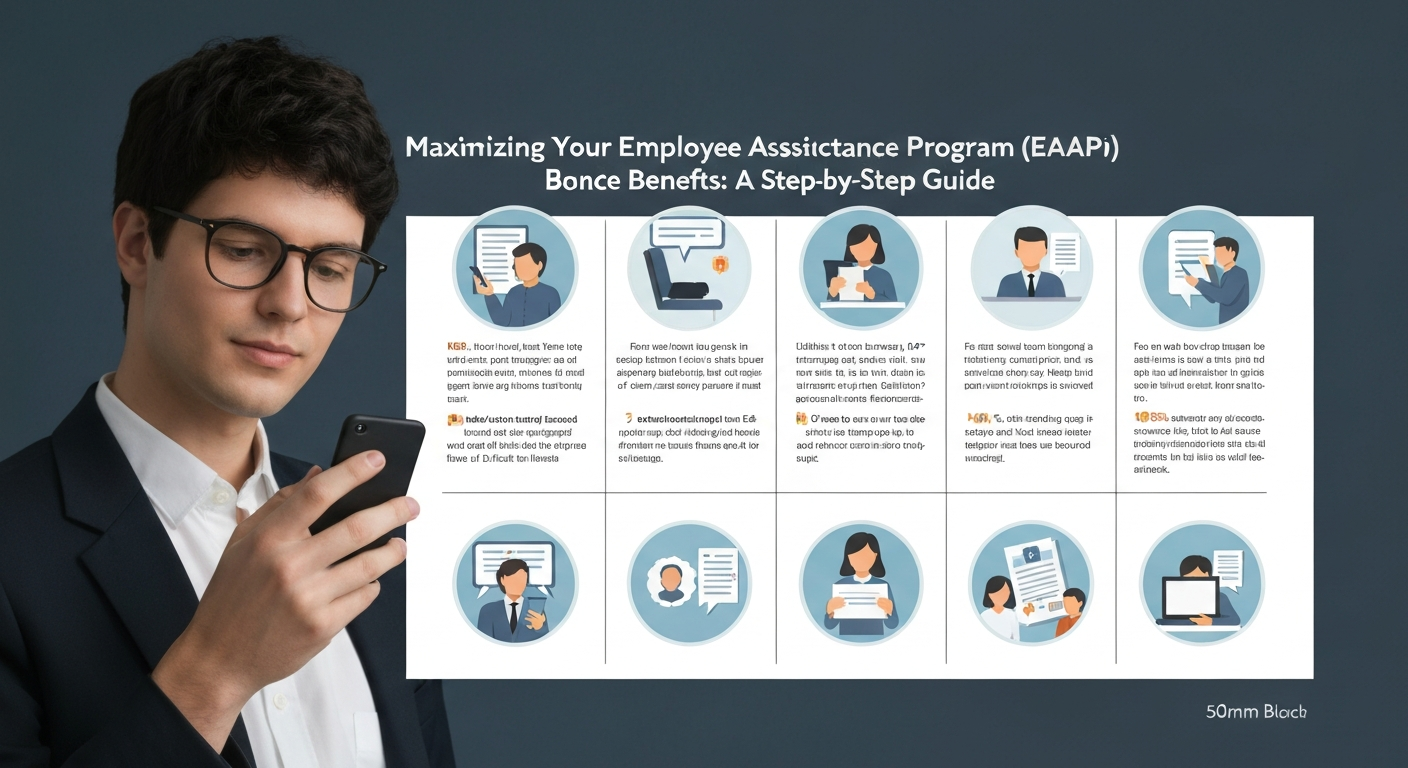
Locate Your EAP Information
Your first move is to find out who your EAP provider is. This information is typically available through your Human Resources department, on your company's internal intranet, or detailed within your employee benefits package. Look for phrases like "Employee Assistance Program" or "EAP mental health services Ontario" to pinpoint your specific contacts.
Understand Your EAP's Scope
Most large Canadian organizations – over 90%, according to industry data – offer EAPs. These programs commonly provide between 3 to 8 free, confidential sessions with a counsellor or therapist. It's essential to confirm the exact number of sessions and the types of professionals covered by your specific program.
Initiate Contact and Schedule Sessions
Once you have your EAP provider's details, reach out to them directly. Be prepared to briefly discuss your needs, but remember that EAP services are confidential. Your employer will not be informed about your specific reasons for seeking support, only that the service was utilized.
"EAPs are a fantastic entry point for care, but they're often just the beginning of someone's mental wellness journey, not the whole path." — Employee Benefits Coordinator, Ottawa
Plan for Post-EAP Support
As your free EAP sessions near their end, proactively discuss transition options with your EAP counsellor. They can often provide referrals to therapists who offer sliding scale fees based on income, connect you with community resources, or suggest platforms like MySerenity for continued, affordable support. This planning ensures continuity in your mental health care.
Beyond OHIP & EAPs: Exploring Private Insurance, Sliding Scales, and Community Resources
The fear of financial strain often prevents people from seeking consistent mental health support, even after exhausting OHIP-covered options or Employee Assistance Programs. Thankfully, Ontario offers several less obvious pathways to make therapy affordable, extending well beyond initial free sessions.
"Finding a therapist who fit both my needs and my budget felt impossible until I discovered my benefits covered a Registered Social Worker. It changed everything." — Client, Hamilton
Exploring these alternatives can significantly reduce your out-of-pocket expenses.
Benefits of Alternative Funding
- Expanded Private Coverage: Your employer-provided or individual health insurance plan likely covers services from registered psychologists, social workers, and psychotherapists. For instance, a policy might offer $1,000 annually for a registered psychotherapist, allowing for several sessions.
- Income-Based Fees: Many private practitioners in cities like Ottawa and Hamilton offer sliding scale fees, adjusting their rates based on your household income to make therapy more accessible.
- Affordable Expertise: University training clinics, such as those at the University of Toronto's Applied Psychology and Human Development department or York University, provide high-quality therapy from supervised graduate students at a significantly reduced cost.
- Local Support: Community Health Centres (CHCs) across Ontario, like the Regent Park CHC in Toronto, often have mental health programs offering free or low-cost counselling with potentially shorter wait times than traditional public services.
Challenges and Considerations
- Policy Specifics: Private insurance plans have varying annual maximums and may only cover certain professional designations (e.g., a plan might cover a psychologist but not a registered psychotherapist). You must check your policy details.
- Limited Availability: Sliding scale spots are highly sought after and competitive, particularly for popular therapists, meaning you might need to call several practitioners to find an opening.
- Training Clinic Nuances: While affordable, university clinics might involve a slightly longer intake process or have therapists who are still developing their professional style, and sessions may be time-limited.
- Eligibility & Scope: Community programs often have specific eligibility criteria (e.g., age, income, geographic location) and may offer short-term support rather than long-term, ongoing therapy.
By combining these options, you can build a more sustainable and personalized funding blueprint for your mental health, rather than feeling limited by a single resource. Understanding how much does therapy cost in Ontario? OHIP, EAPs, and what's actually covered, requires looking at all available funding streams.
Cost Comparison: Psychologists, Social Workers, Psychotherapists, and Counsellors in Ontario
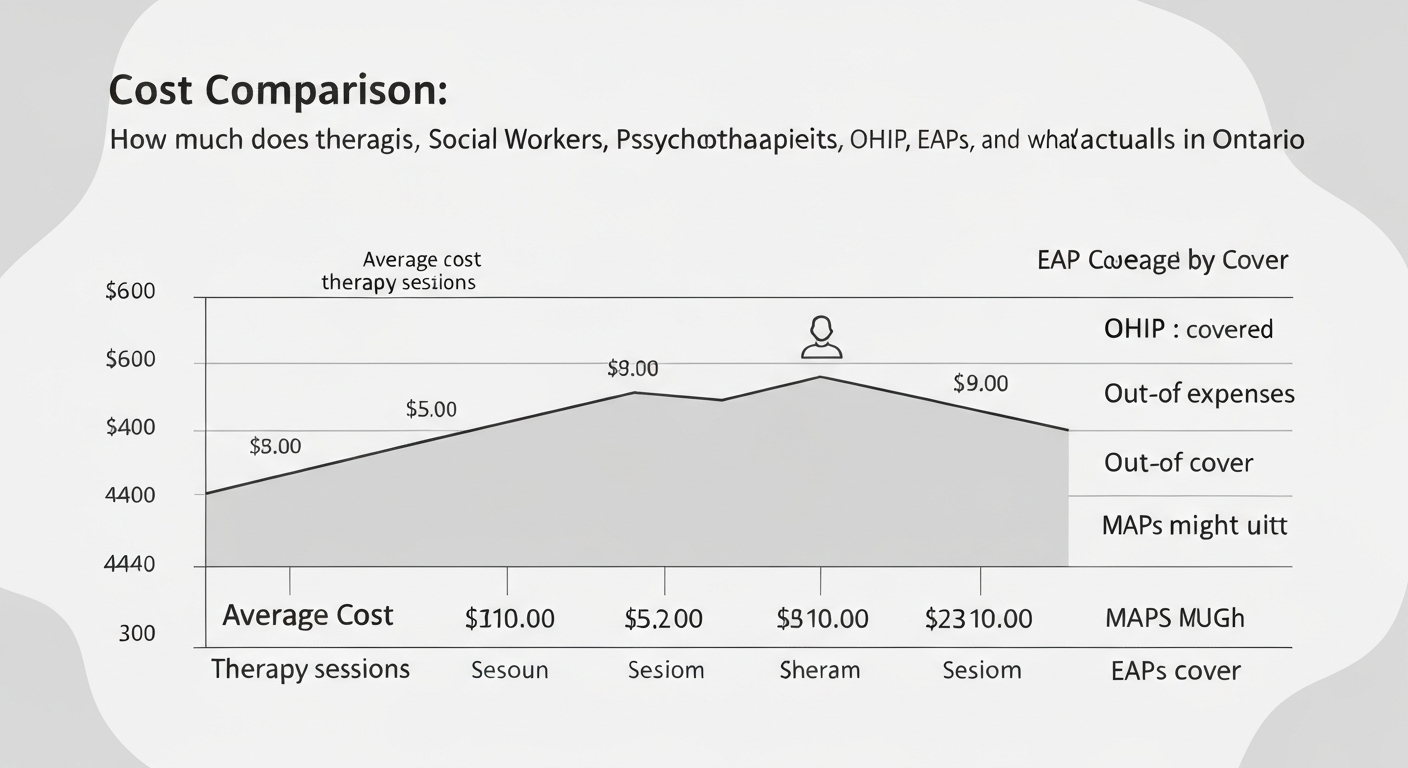
The professional title of your mental health provider in Ontario dictates far more than their therapeutic approach; it often directly controls your out-of-pocket expenses and private insurance coverage – a critical, yet frequently overlooked, detail when you first seek support. To truly understand how much therapy costs in Ontario, especially considering OHIP, EAPs, and what's actually covered, it's essential to differentiate between the various types of mental health professionals and their fee structures. Knowing these distinctions is the first step in building your personalized therapy funding blueprint.
| Professional Type | Typical Session Cost (per hour) | Private Insurance Coverage | Regulatory Body |
|---|---|---|---|
| Psychologist | $180 - $250+ | Often fully or partially covered | College of Psychologists of Ontario |
| Registered Social Worker (RSW) | $120 - $180 | Often fully or partially covered | Ontario College of Social Workers and Social Service Workers (OCSWSSW) |
| Registered Psychotherapist (RP) | $120 - $180 | Increasingly covered by private plans | College of Registered Psychotherapists of Ontario (CRPO) |
| Counsellor (Non-Regulated) | $80 - $150 | Generally not covered, unless holding another designation | No specific regulatory body in Ontario |
"I wish I'd known that a Registered Social Worker was covered by my benefits just like a psychologist – I could have started therapy months sooner and saved a lot of worry." — a client navigating benefits in Hamilton
Understanding these distinctions helps you make informed choices about your care. While psychologists often command higher fees, an RSW or RP might offer equally effective support at a more accessible price point, particularly if you have private insurance. This knowledge is key to strategically combining resources without financial strain.
Your Action Plan: How to Find and Afford Therapy in Ontario Without Breaking the Bank
Finding therapy in Ontario often feels like solving a complex financial puzzle, exhausting you before you begin. Many assume they can't afford quality mental health care, overlooking how various funding sources can be combined. Your well-being is a priority; a clear funding blueprint eliminates guesswork and worry about fit.
Before asking "how much does therapy cost in Ontario? OHIP, EAPs, and what's actually covered," map existing resources. Consult your family doctor about OHIP-covered psychiatric services, which require a referral. Check your Employee Assistance Program (EAP); over 90% of large Canadian organizations offer these, typically providing 3-8 free sessions. Scrutinize your private health insurance for therapy coverage, noting if it covers social workers or psychotherapists.
With resources identified, prioritize strategically. Begin with EAP sessions, as these are free and immediately available. Once exhausted, transition to private insurance. For ongoing support, explore 'affordable therapy options Ontario' like sliding scale fees from private practitioners, or community clinics such as the CMHA. Budgeting for therapy, similar to other essential health care, frames it as a non-negotiable investment in your long-term well-being.
"Many people give up before they even start because the funding landscape feels like a maze. But with a clear plan, accessing support becomes manageable." — kindergarten administrator, Toronto
This proactive, multi-pronged approach empowers you to access mental health support without feeling overwhelmed by financial commitment. Systematically assessing, combining, and budgeting for care transforms the challenge of affording therapy into a clear path toward sustained well-being.
Is the Investment Worth It? The Long-Term Value of Therapy for Your Well-being
We often readily invest in physical health, like gym memberships or nutritious food, yet hesitate when considering the financial commitment to mental well-being, despite its foundational impact on a fulfilling life. While you've been exploring how much does therapy cost in Ontario? OHIP, EAPs, and what's actually covered, it's easy to focus solely on the immediate financial outlay, which can feel daunting. However, viewing therapy as an investment in your mental capital can shift this perspective entirely, revealing profound long-term dividends.
Therapy equips you with enhanced coping mechanisms, improved emotional regulation, and greater self-awareness. These aren't just abstract concepts; they are practical skills that strengthen your resilience against life's inevitable challenges. For instance, a marketing professional in downtown Toronto might learn to manage work-related stress, leading to better focus and fewer sick days. A parent in Windsor could develop strategies for more patient communication, improving family dynamics. These acquired skills can reduce chronic stress, foster healthier relationships, boost productivity in your career, and crucially, prevent more severe mental health crises down the line, potentially saving significant money on future interventions.
"I used to see therapy as an expense, a luxury even. Now, I see it as foundational maintenance, like servicing your car before it breaks down. The peace of mind and clarity I've gained are priceless." — therapy client, Guelph
Many individuals report a significant return on investment through increased life satisfaction, better decision-making capabilities, and a greater capacity to navigate unexpected difficulties effectively. While the average cost of a private therapy session in Ontario ranges from $120 to $250 per hour, the enduring benefits of understanding yourself better and building robust emotional tools often far outweigh this financial outlay. It’s an investment in sustainable well-being, fostering a more fulfilling and empowered life that extends far beyond the therapy room.
Frequently Asked Questions
Is therapy covered by OHIP in Ontario?
Generally, OHIP does not cover private therapy with registered psychologists, social workers, or psychotherapists. It primarily covers services provided by psychiatrists (medical doctors) through referral, as well as some hospital-based mental health programs and specific community mental health services. For instance, seeing a psychiatrist at a facility like the Centre for Addiction and Mental Health (CAMH) is covered, but private sessions with a psychotherapist in your local community are typically not.
How can I use my EAP for therapy in Ontario?
Employee Assistance Programs (EAPs) are employer-funded benefits offering short-term, confidential counselling. To use yours, contact your EAP provider directly – often a third-party service like Homewood Health or Morneau Shepell – to arrange an initial assessment and referral. These programs typically cover a set number of sessions per issue or per year, for example, 3-8 sessions with a registered psychotherapist or social worker, without any out-of-pocket cost to you.
What are affordable therapy options in Ontario?
Several affordable therapy options exist beyond private practice. You can explore community mental health agencies, which often provide free or low-cost services based on need, like your local Canadian Mental Health Association (CMHA) branch. University training clinics, such as the University of Waterloo's Centre for Mental Health Research, offer reduced-cost sessions with supervised graduate students. Additionally, some therapists offer sliding scale fees based on income, and online platforms can sometimes provide more accessible rates.
Why do therapy costs vary between psychologists and social workers in Ontario?
Therapy costs vary due to differences in professional training, regulatory bodies, and insurance coverage. Psychologists typically hold doctoral degrees, are regulated by the College of Psychologists of Ontario, and often have higher fees (e.g., $200-$250+ per hour). Registered Social Workers (RSWs) and Registered Psychotherapists (RPs) usually hold master's degrees, are regulated by the OCSWSSW or CRPO respectively, and often charge slightly less (e.g., $120-$180 per hour). Insurance plans also vary in which professions they cover.
Can private insurance pay for therapy in Ontario?
Yes, many private health insurance plans, whether provided by an employer or purchased individually, offer coverage for therapy in Ontario. It's essential to review your specific policy details, as coverage varies significantly. Check which professionals are covered (e.g., Registered Psychologists, Registered Social Workers, Registered Psychotherapists), the annual maximum benefit, and the percentage covered per session. For example, your plan might cover 80% of fees up to $1,500 annually for a Registered Social Worker.
Frequently Asked Questions
Is therapy covered by OHIP in Ontario?
How can I use my EAP for therapy in Ontario?
What are affordable therapy options in Ontario?
Why do therapy costs vary between psychologists and social workers in Ontario?
Can private insurance pay for therapy in Ontario?
Keep reading
All articles →
Doctor's Guide: Best AI Mental Wellness Apps for High-Achievers
For high-achievers battling burnout and decision fatigue, the real challenge isn't finding an app, but rather discerning which of the "best AI mental wellness apps" offer personalized, evidence-based support beyond simple meditation. These tools address specific stressors like perfectionism or performance anxiety.

High-Achiever's Blueprint: 7 Evidence-Based Anxiety Coping Strategies
Many high-achievers see anxiety as an unavoidable cost of ambition. However, clinically proven evidence based anxiety coping strategies offer significant symptom reduction, refining your internal operating system for success.

Strategic Mood Tracking: How to Effectively Track Your Mood for Burnout & Anxiety Management
Many find basic mood logging unhelpful for preventing burnout. This guide transforms mood tracking into a strategic process for proactive self-management.